
إعداد: حنان رأفت عيسى أبو سرور
الحرارة لا تُرى… لكن الجسد يدفع الثمن.
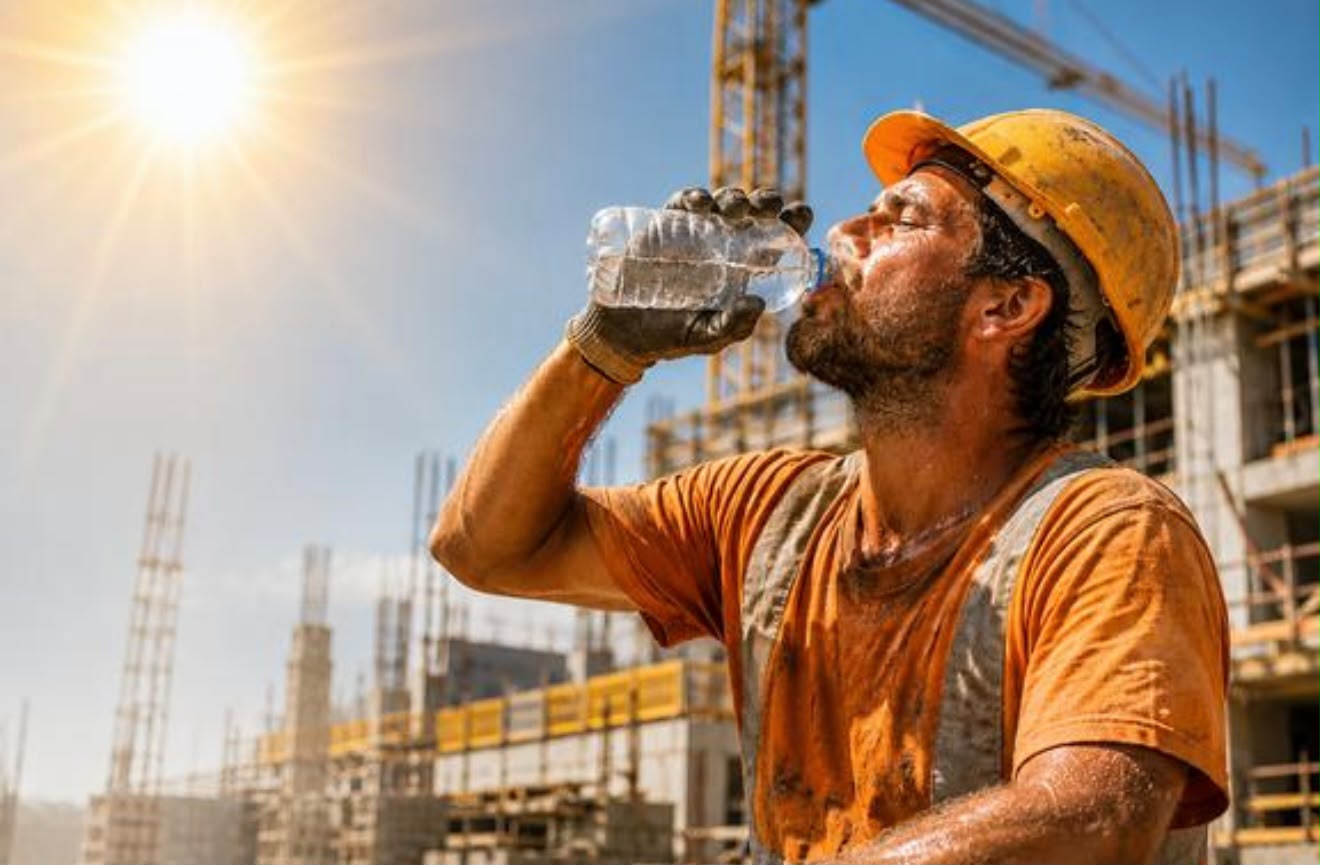
نبأ الإخبارية: تستيقظ في الصباح، وتتوجه إلى عملك أو تبدأ مهامك اليومية كالمعتاد. لكن اليوم مختلف؛ فالحرارة مرتفعة بشكل لافت.
في البداية، قد لا يبدو الأمر أكثر من انزعاج مألوف: جلد ساخن، وعرق يتجمع على الجبهة، وعطش يتزايد، ودقات قلب أسرع قليلًا.
وقد تتساءل: هل ما أشعر به مجرد استجابة طبيعية للحرارة، أم أنه بداية لإجهاد حراري؟ وهل يمكن أن يصل الأمر إلى ضربة الشمس؟
عندما بدأت البحث، اكتشفت أن الإجابة أكثر تعقيدًا مما تبدو عليه للوهلة الأولى. الجسم لا يتعامل مع الحرارة كرقم على شاشة ميزان الحرارة فقط، بل يحاول باستمرار تحقيق توازن بين الحرارة التي ينتجها أو يكتسبها والحرارة التي يستطيع التخلص منها.
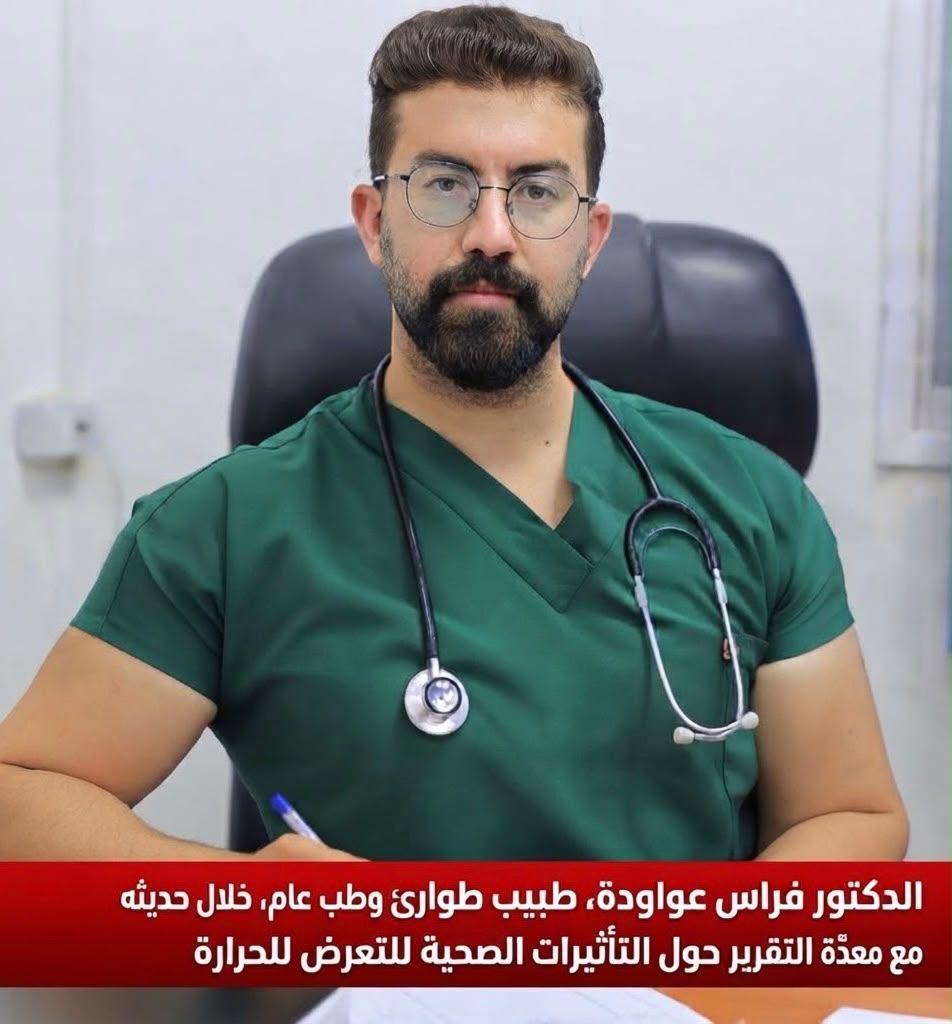
من هنا بدأ بحثي العلمي: ماذا يحدث داخل أجسامنا عندما ترتفع درجات الحرارة؟ ومتى تصبح آليات التبريد الطبيعية غير كافية؟ بدأت بجمع المعلومات والرجوع إلى المراجع الطبية والعلمية، ثم تواصلت مع الدكتور فراس عواودة، طبيب الطوارئ والطب العام، لمراجعة بعض الجوانب الطبية من منظور سريري.
وفي هذا التقرير، أتتبع رحلة الحرارة داخل الجسم؛ من أول قطرة عرق، إلى اللحظة التي قد يصبح فيها فقد الحرارة غير كافٍ، وصولًا إلى الحالات الشديدة التي قد تتحول فيها الحرارة إلى إصابة تطال أكثر من عضو.
قبل أن تشعر بالخطر … الجسم بدأ العمل
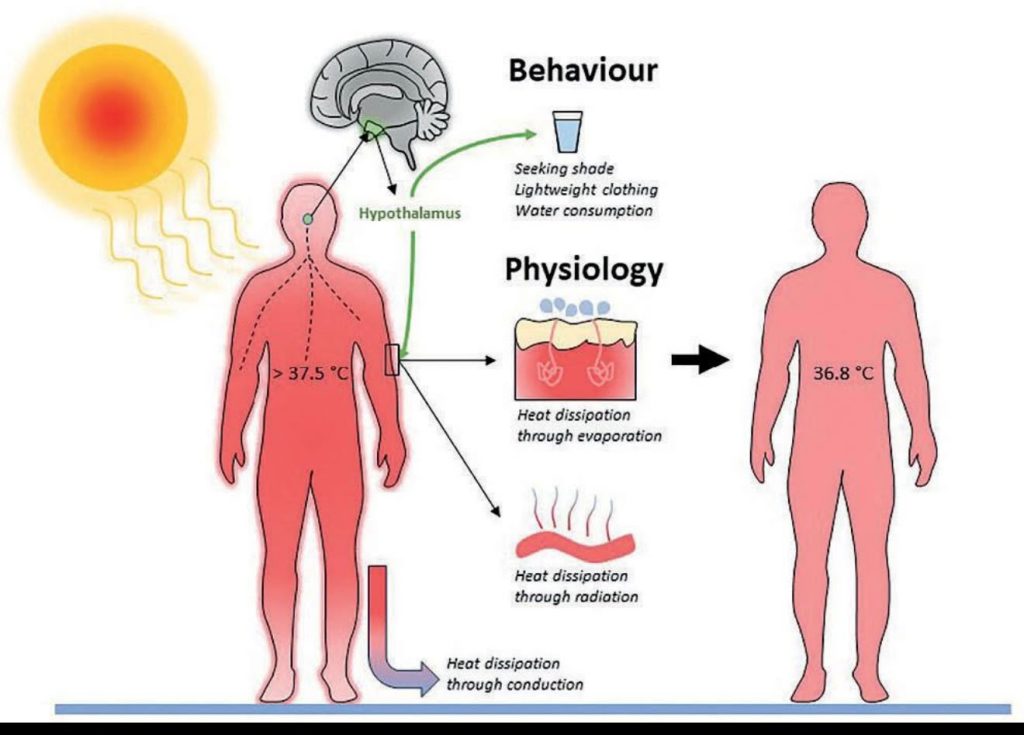
تنظيم حرارة الجسم ليس مفتاحًا يُشغّل مرة واحدة، بل نظامًا مستمرًا للتغذية الراجعة يعمل للحفاظ على درجة الحرارة الداخلية ضمن نطاق يسمح للأعضاء بأداء وظائفها.
عندما يزداد الحمل الحراري، يبدأ الجسم بتفعيل مجموعة من الاستجابات، من بينها زيادة تدفق الدم إلى الجلد والتعرق.
وتعتمد قدرة الإنسان على التعامل مع الحرارة على تفاعل معقد بين البيئة والجسم؛ إذ تدخل درجة حرارة الهواء والرطوبة وحركة الهواء والإشعاع الحراري، إلى جانب النشاط البدني وخصائص الجسم والعمر والحالة الصحية والتكيف مع الحرارة، في تحديد مقدار الحرارة التي يكتسبها الجسم ومقدار ما يستطيع التخلص منه. (journals.physiology.org)
زيادة تدفق الدم إلى الجلد ليست تفصيلًا ثانويًا. فالحرارة الموجودة في الأنسجة الداخلية تحتاج إلى الوصول إلى سطح الجسم حتى يمكن فقد جزء منها إلى البيئة. لذلك يؤدي توسع الأوعية الدموية الجلدية إلى زيادة تدفق الدم نحو الجلد، في محاولة لدعم فقد الحرارة.
وفي الوقت نفسه، تبدأ الغدد العرقية بالعمل. لكن هنا يظهر تفصيل قد يخدعك في فهم الحرارة:
العرق لا يبرد الجسم… إلا إذا تبخر
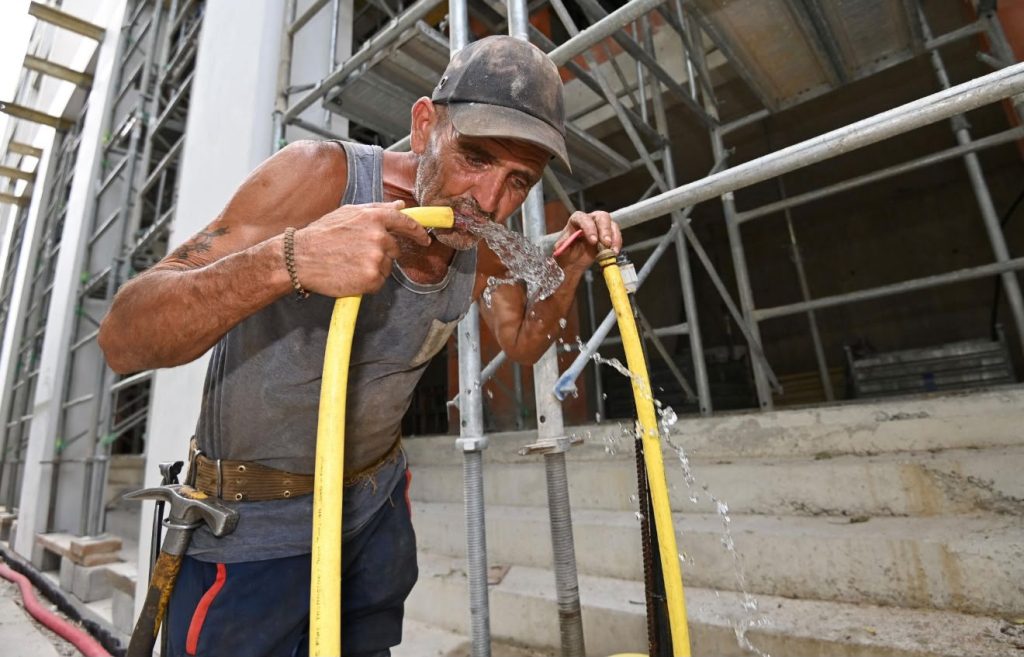
قد يتصبب الإنسان عرقًا في يوم شديد الحرارة، ومع ذلك يستمر جسمه في اكتساب الحرارة. السبب أن التبريد الناتج عن التعرق يعتمد بدرجة أساسية على تبخر العرق من سطح الجلد. فعندما يتحول الماء من الحالة السائلة إلى البخار، تُفقد حرارة من سطح الجسم.
وهذا يعني أن قدرة الجسم على الاستفادة من التعرق لا تعتمد على التعرق وحده، بل على قدرة البيئة المحيطة على السماح بتبخر العرق. لذلك يمكن للرطوبة العالية أن تجعل التبخر أقل كفاءة. كما تؤثر حركة الهواء والإشعاع الحراري والملابس والنشاط البدني في مقدار الحرارة التي يستطيع الجسم التخلص منها. (journals.physiology.org)
وهنا تظهر المفارقة: يمكن للجسم أن يستمر في التعرق، بينما تتراجع قدرته الفعلية على التخلص من الحرارة.
عندما يدخل القلب في عملية التبريد
لكي يصل المزيد من الدم إلى الجلد، يجب على الجهاز القلبي الوعائي أن يتكيف مع هذا التغير. وتشير مراجعة متخصصة للاستجابة القلبية الوعائية للإجهاد الحراري إلى أن نتاج القلب يمكن أن يزداد إلى نحو الضعف أثناء التعرض للحرارة، ويرتبط ذلك خصوصًا بزيادة معدل ضربات القلب وتغيرات أخرى تساعد على دعم فقد الحرارة. (PubMed)
لكن الجسم يواجه في الوقت نفسه مشكلة أخرى: التعرق يفقده الماء. ومع استمرار التعرض للحرارة، يمكن أن يتراجع حجم السوائل المتاحة للدورة الدموية. وهكذا يصبح على القلب والدورة الدموية التعامل مع مهمتين في الوقت نفسه: دعم وصول الدم إلى الجلد للمساعدة على التخلص من الحرارة، والحفاظ على دورة دموية كافية لبقية الأعضاء.
وهكذا، لم تعد الحرارة مشكلة تخص الجلد وحده. لقد أصبح القلب جزءًا من عملية التبريد نفسها.
الماء الذي يغادر جسمك يغير المعادلة
العرق إحدى أدوات الجسم المهمة للتخلص من الحرارة، لكنه يأتي بثمن: فقد الماء وبعض الإلكتروليتات. وهنا تنتقل القصة إلى عضو لا يظهر عادة في صورة الشخص المتعرق: الكلى.
تلعب الكلى دورًا أساسيًا في تنظيم الماء والإلكتروليتات، ويتغير تدفق الدم إليها أثناء الإجهاد الحراري. ويمكن أن يؤدي اجتماع الحرارة مع الجفاف والنشاط البدني إلى زيادة الضغط الواقع على الكلى ورفع خطر الإصابة الكلوية الحادة في بعض الظروف. (PubMed)
لذلك، فإن ما بدأ بقطرات عرق على الجلد قد يتحول، مع استمرار التعرض للحرارة والجفاف، إلى تحدٍ يطال توازن السوائل والدورة الدموية ووظيفة الكلى.
قصة عامل بناء: عندما تصبح الأعراض أكثر من مجرد تعب
وهنا تلتقي المعلومات العلمية بتجربة إنسانية. يروي عامل البناء مجدي خليل من نابلس تجربة تعرض خلالها لأعراض شديدة أثناء العمل في أجواء حارة.
يقول خليل إنه استيقظ ذات يوم متأخرًا وتوجه إلى العمل كالمعتاد، لكنه لم يتناول شيئًا ولم يشرب قبل خروجه. وأثناء العمل، بدأ يشعر بصداع، ثم غثيان، تلاه غباش في الرؤية ودوخة شديدة حتى كاد يفقد الوعي.
ويضيف أنه بعد أن ساعده زملاؤه على النزول عن السلم، ظن في البداية أن الأعراض قد تهدأ، لكنها ازدادت خلال نحو عشر دقائق، وظهرت أعراض أخرى، من بينها تسارع ضربات القلب والتشوش وصعوبة في الكلام.
يقول خليل إن زملاءه نقلوه بعدها إلى المستشفى، حيث صُنّفت حالته، بحسب روايته، على أنها مرتبطة بالتعرض لموجة الحر.
هذه القصة لا تثبت وحدها تشخيصًا طبيًا محددًا، لكنها توضح كيف يمكن أن تنتقل أعراض التعرض للحرارة من الشعور بالتعب والعطش إلى أعراض أكثر خطورة تستدعي التقييم الطبي.
ليست كل حرارة متساوية
من السهل اختصار القصة في رقم يظهر على شاشة مقياس الحرارة. لكن الجسم لا «يقرأ» درجة حرارة الهواء وحدها.
في علم فسيولوجيا الحرارة، يُستخدم مفهوم الإجهاد الحراري (Heat Stress) لوصف الحمل الحراري الذي يتعرض له الجسم، بينما يشير الإجهاد الفسيولوجي الحراري (Heat Strain) إلى استجابة الجسم لهذا الحمل.
والفرق بينهما مهم. فالشخص لا يتعرض فقط لدرجة حرارة الهواء، بل لمجموعة من الظروف التي تحدد مقدار الحرارة التي يكتسبها ومقدار الحرارة التي يستطيع التخلص منها. الحرارة والرطوبة وحركة الهواء والإشعاع والملابس والنشاط البدني ومدة التعرض والتكيف الحراري كلها تدخل في المعادلة، كما تختلف الاستجابة باختلاف العمر والحالة الصحية وعوامل فسيولوجية أخرى.(journals.physiology.org)
ولهذا لا توجد درجة حرارة واحدة يمكن القول عندها إن الخطر أصبح متطابقًا لدى الجميع.
السؤال الأكثر دقة هو: كم من الحرارة يكتسب الجسم، وكم يستطيع أن يفقد منها، وكم من الوقت يستطيع الاستمرار في التعويض؟
اللحظة التي لا يعود فيها التبريد كافيا
يستطيع الجسم التعويض إلى حد معين. لكن إذا أصبح مقدار الحرارة المكتسبة أكبر من مقدار الحرارة التي يستطيع الجسم التخلص منها، يبدأ التوازن الحراري بالاختلال.
في البداية، يستمر الجسم في تشغيل أدواته المعروفة:
- الأوعية الجلدية تتوسع.
- التعرق يستمر.
- القلب يعمل لدعم الدورة الدموية وتبديد الحرارة.
- والكلى تتعامل مع تغيرات الماء والأملاح والدورة الدموية.
لكن إذا استمر الحمل الحراري وأصبحت آليات فقد الحرارة غير كافية للحفاظ على التوازن، تبدأ درجة الحرارة الداخلية بالارتفاع.
وهذه هي النقطة الفاصلة في القصة: لم يعد الجسم يحاول فقط أن يجعلنا نشعر بالراحة في الحر؛ بل يحاول منع ارتفاع حرارته الداخلية إلى مستويات خطرة.
عندما يصل الدور إلى الدماغ
في الحالات الشديدة، لا تبقى آثار الحرارة محصورة في العرق والنبض والعطش. الجهاز العصبي المركزي يصبح أحد أهم مواضع الإصابة.
وتُعد اضطرابات الوظائف العصبية من السمات الأساسية لضربة الحرارة، وقد تظهر في صورة ارتباك أو هذيان أو تشنجات أو تغير في الوعي.
وتشير مراجعة منشورة عام 2024 إلى أن الدماغ من أكثر الأعضاء حساسية للإصابة المرتبطة بفرط الحرارة، وأن ضربة الحرارة قد ترتبط باضطرابات في الحاجز الدموي الدماغي وعمليات التهابية وإجهاد تأكسدي وإصابات خلوية. (Frontiers)
وهنا يصبح واضحًا لماذا لا يمكن اختزال ضربة الحرارة في عبارة: «الجسم أصبح ساخنًا جدًا».
ضربة الحرارة: عندما تصبح الحرارة أصابة جهازية
ضربة الحرارة هي أشد أشكال الأمراض المرتبطة بالحرارة، وهي حالة طبية طارئة.
وتصف المراجع الطبية الحديثة ضربة الحرارة بأنها حالة ترتفع فيها درجة حرارة الجسم الداخلية بشدة، غالبًا إلى أكثر من 40 درجة مئوية، وتترافق مع خلل حاد في الجهاز العصبي المركزي. وقد تتطور معها إصابات في أعضاء متعددة. (Frontiers)
لكن الرقم وحده لا يروي القصة كاملة. فالمشكلة ليست أن الجسم وصل إلى رقم مرتفع فحسب، وإنما أن منظومة تنظيم الحرارة أصبحت غير قادرة على الحفاظ على التوازن، وترافقت الحالة مع اضطراب عصبي وإصابة جهازية.
وتشير مراجعة حديثة إلى أن ضربة الحرارة تتضمن عمليات متداخلة، من بينها الالتهاب الجهازي والإجهاد التأكسدي وإصابة بطانة الأوعية الدموية واضطرابات التخثر، إلى جانب إصابة الجهاز العصبي وأعضاء أخرى. (Frontiers)
وقد تشمل المضاعفات الكلى والكبد والدماغ والجهاز القلبي الوعائي، ما يجعل الحالة مختلفة جذريًا عن مجرد الشعور بالتعب بسبب الطقس الحار.
إذا كان الجسم يبرد نفسه… فماذا نستطيع أن نفعل
إذا كان الجسم يملك منظومة للتخلص من الحرارة، فإن الوقاية تبدأ قبل أن تضطر هذه المنظومة إلى العمل عند أقصى قدرتها.
الفكرة الأساسية ليست «الهروب من الحرارة» فقط، بل تقليل الحمل الحراري الذي يتعرض له الجسم ومساعدته على فقد الحرارة بكفاءة أكبر.
توصي منظمة الصحة العالمية بتجنب الخروج وممارسة النشاط البدني المجهد خلال أشد ساعات اليوم، والاستفادة من الظل والأماكن الباردة، والحفاظ على برودة المنزل قدر الإمكان، وارتداء ملابس خفيفة وفضفاضة، وتبريد الجسم بالماء أو الاستحمام البارد، وشرب الماء بانتظام. كما توصي بمتابعة الأشخاص الأكثر عرضة لتأثيرات الحرارة وعدم ترك الأطفال أو الأشخاص المحتاجين للرعاية أو الحيوانات داخل المركبات المتوقفة. (منظمة الصحة العالمية)
هذه الإجراءات تبدو بسيطة، لكنها تستهدف الآلية نفسها التي شرحها العلم. تقليل التعرض للحرارة يعني تقليل الحرارة التي يجب على الجسم التخلص منها. والبقاء في مكان أبرد يساعد على تقليل الحمل الحراري، بينما يساعد تبريد الجلد على دعم فقد الحرارة، ويساعد الحفاظ على الترطيب الجسم على التعامل مع فقد السوائل الناتج عن التعرق.
لكن الوقاية لا تتعلق بالفرد وحده. في عام 2026، شددت منظمة الصحة العالمية على أهمية خطط العمل الصحية لمواجهة موجات الحر، بما يشمل أنظمة الإنذار المبكر، وتحديد الفئات الأكثر تعرضًا للخطر، والتواصل مع الجمهور، وتعزيز قدرة الأنظمة الصحية، وتقليل التعرض للحرارة، والمراقبة والتقييم. (منظمة الصحة العالمية)
أي أن مواجهة الحرارة لها مستويان متكاملان: جسم يحاول الحفاظ على حرارته من الداخل، ومجتمع يحاول تقليل الخطر من الخارج.
متى لا يعود الأمر مجرد تعب من الحر؟
الوقاية لا تعني معرفة طرق التبريد فقط، بل معرفة اللحظة التي ينبغي فيها التعامل مع الأعراض بجدية.
قد تشمل علامات الأمراض المرتبطة بالحرارة الصداع والدوخة والضعف والغثيان والتشنجات والتعرق الشديد.
أما اضطراب الوعي، أو الهذيان، أو التشنجات، أو فقدان الوعي، خصوصًا مع ارتفاع شديد في حرارة الجسم، فهي علامات تستدعي تدخلًا طبيًا عاجلًا. (منظمة الصحة العالمية)
وهذه النقطة تعيدنا إلى بداية القصة. الجسم يعطي إشارات قبل أن يصل إلى أخطر مراحل الإجهاد الحراري، لكن أهمية هذه الإشارات تكمن في فهمها ضمن سياق التعرض للحرارة، وعدم الانتظار حتى تتطور الحالة إلى اضطراب عصبي أو فقدان وعي.
لماذا لا يتحمل الجميع الحرارة بالطريقة نفسها؟
قد يتعرض شخصان للطقس نفسه، بينما يشعر أحدهما بأعراض أشد من الآخر. والسبب أن قدرة الجسم على التعامل مع الحرارة ليست ثابتة لدى الجميع.
العمر، والحالة الصحية، والتكيف الحراري، والنشاط البدني، ومدة التعرض، والظروف البيئية، كلها عوامل يمكن أن تغير مقدار الإجهاد الذي يتعرض له الجسم. وتشير منظمة الصحة العالمية إلى أن كبار السن والأطفال الصغار والحوامل والأشخاص المصابين بأمراض مزمنة والعاملين في الخارج والرياضيين وغيرهم من الفئات قد يكونون أكثر عرضة لتأثيرات الحرارة. (منظمة الصحة العالمية)
لذلك فإن سؤال «كم بلغت الحرارة؟» مهم، لكنه ليس السؤال الوحيد.
ماذا يقول الطبيب؟
وبالرجوع إلى الدكتور فراس عواودة، طبيب الطوارئ والطب العام، فإن قدرة الجسم على تحمل ارتفاع درجات الحرارة تختلف من شخص إلى آخر، وتتأثر بالحالة الفسيولوجية ومستوى الترطيب وكمية السوائل التي يحصل عليها الجسم.
ويشير عواودة إلى أن الأعراض المرتبطة بالتعرض للحرارة تظهر بصورة متكررة لدى الأشخاص الذين يعملون في الخارج أو يتعرضون لأشعة الشمس لفترات طويلة.
كما يوضح أن الوقاية تبدأ بالحفاظ على ترطيب الجسم، خصوصًا خلال فترات ارتفاع درجات الحرارة، من خلال تناول كميات كافية من السوائل، وعلى رأسها الماء.
وفي حال ظهور أعراض مرتبطة بالإجهاد الحراري، يشير إلى أهمية نقل الشخص إلى مكان مظلل أو أكثر برودة، وإزالة الملابس أو الإكسسوارات غير الضرورية التي قد تعيق تبريد الجسم، وطلب الرعاية الطبية إذا كانت الأعراض شديدة أو تتفاقم.
وبحسب إحصاءات خاصة بعيادته، يقول عواودة إن عدد الحالات التي تعامل معها والمرتبطة بالتعرض للحرارة خلال عام 2026 كان أقل من عام 2025، الذي شهد، وفق ملاحظاته في العيادة، عددًا أكبر من الحالات.
ويربط ذلك، من بين عوامل أخرى، بدرجات الحرارة التي تابعها خلال العامين. وهذه أرقام خاصة بعيادته وملاحظاته السريرية، ولا تمثل إحصاءً وطنيًا للحالات المرتبطة بالحرارة في فلسطين.
إلى أين يمكن أن تقودك قطرة العرق؟
إذا تتبعنا الرحلة كاملة، تبدو الصورة مختلفة عن مجرد «يوم شديد الحرارة».
تبدأ القصة بارتفاع الحمل الحراري. فيستجيب الجسم بمحاولة التخلص من الحرارة عبر زيادة تدفق الدم إلى الجلد والتعرق. ثم يصبح القلب جزءًا من عملية التبريد، بينما يؤدي التعرق إلى فقدان الماء وبعض الإلكتروليتات. وتدخل الكلى في الحفاظ على توازن السوائل والدورة الدموية، وقد تتعرض لضغط إضافي عندما تجتمع الحرارة مع الجفاف أو النشاط البدني.(PubMed)
إذا استمر الحمل الحراري وأصبح فقدان الحرارة غير كافٍ، تبدأ درجة الحرارة الداخلية بالارتفاع. وفي الحالات الشديدة، قد يتأثر الجهاز العصبي المركزي، ثم تتداخل عمليات الالتهاب والإجهاد التأكسدي واضطرابات الأوعية والتخثر، لتتحول المشكلة إلى إصابة قد تطال أعضاء متعددة. (Frontiers)
إنها ليست سلسلة من الأحداث المنفصلة، بل حلقات مترابطة؛ كل حلقة تقود إلى التالية. منظومة واحدة تبدأ بمحاولة الجسم الحفاظ على توازنه، وقد تنتهي بالخطر عندما تصبح الحرارة أكبر من قدرة الجسم على التعويض.
للجسم حدود
هل تعتقد أن الجسم مجرد هيكل يشعر بالحرارة؟ إذا توقفنا لحظة وفكرنا بما يحدث في الداخل، سنجد منظومة بالغة التعقيد تعمل باستمرار:
- الجهاز العصبي ينسق الاستجابة.
- الأوعية الجلدية تغير تدفق الدم.
- الغدد العرقية تساعد على التخلص من الحرارة.
- القلب يتكيف مع تغيرات الدورة الدموية.
- والكلى تعمل على الحفاظ على توازن الماء والأملاح.
كل ذلك يحدث قبل أن نصل إلى الحالات التي نسميها «أمراض الحرارة». لكن هذه المنظومة ليست بلا حدود.
عندما تصبح الحرارة المكتسبة أكبر من قدرة الجسم على التخلص منها، لا تتوقف آليات الدفاع فجأة؛ بل تستمر في العمل، ويزداد الضغط على أجهزة متعددة.
وإذا تجاوز الحمل الحراري قدرة الجسم على التعويض، يمكن أن يتحول اضطراب تنظيم الحرارة إلى إصابة حرارية شديدة قد تمس الجهاز العصبي وأعضاء أخرى. (Frontiers)
وهنا تكمن المفارقة: الحرارة تبدأ من الخارج، لكن أخطر أحداثها قد تجري في الداخل. فقطرة العرق التي نراها على الجلد ليست القصة كلها؛ إنها علامة مرئية على منظومة كاملة تعمل خلفها. والخطر لا يبدأ ببساطة عندما يصبح الطقس «حارًا جدًا»، بل عندما يصبح الحمل الحراري أكبر من قدرة الجسم على التخلص من الحرارة والحفاظ على توازنه.
المراجع والمصادر العلمية
[1] Cramer, M. N., Gagnon, D., Laitano, O., & Crandall, C. G. (2022). Human temperature regulation under heat stress in health, disease, and injury. Physiological Reviews, 102(4), 1907–1989.
[2] Crandall, C. G., & Wilson, T. E. (2015). Human cardiovascular responses to passive heat stress. Comprehensive Physiology, 5(1), 17–43.
[3] Chapman, C. L., Johnson, B. D., Parker, M. D., Hostler, D., Pryor, R. R., & Schlader, Z. (2021). Kidney physiology and pathophysiology during heat stress and the modification by exercise, dehydration, heat acclimation and aging. Temperature, 8(2), 108–159.
[4] Yoneda, K., et al. (2024). How can heatstroke damage the brain? A mini review. Frontiers in Neuroscience, 18, 1437216.
[5] Alawad, A., et al. (2025). Heat stroke dysfunctions: from pathophysiology to prediction. Frontiers in Physiology, 16, 1700342.
[6] منظمة الصحة العالمية. (2026). الحالمراجع
When the Body Can No Longer Cool Itself: What Happens Inside Us During Heat Waves
Prepared by: Hanan Rafat Issa Abu Srour
Journalist | Editor | Media Officer
Palestine | 2026
You wake up in the morning and head to work or begin your usual daily activities. But the day feels different; the temperature is noticeably high.
At first, it may seem like familiar discomfort: hot skin, sweat gathering on the forehead, increasing thirst, and a slightly faster heartbeat.
You may wonder: Is what I am feeling simply a normal response to heat, or could it be the beginning of heat stress? And can it progress to heatstroke?
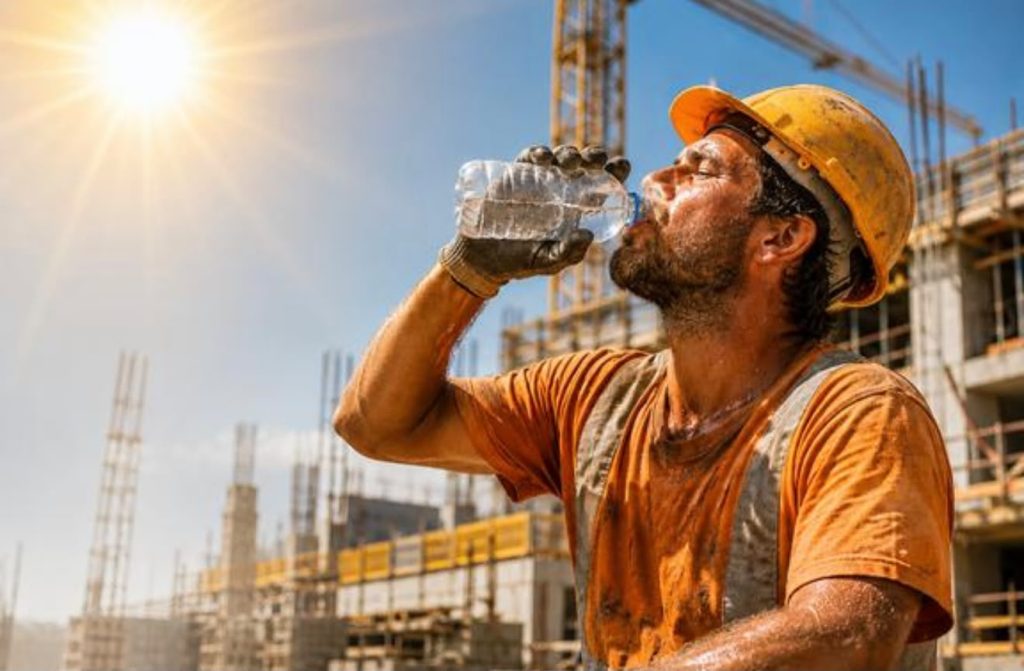
When I began researching the question, I discovered that the answer was more complicated than it first appeared. The human body does not experience heat simply as a number on a thermometer. It is constantly trying to maintain a balance between the heat it produces or gains and the heat it can lose. Temperature regulation is a homeostatic feedback system that works continuously to keep deep body temperature within a relatively narrow range. (1)
That became the starting point of my scientific reporting: What happens inside our bodies when temperatures rise? And when do the body’s natural cooling mechanisms become insufficient? I began by reviewing medical and scientific literature and then spoke with Dr. Firas Awawdeh, an emergency and general physician, to examine some of the medical aspects from a clinical perspective.
In this report, I follow the journey of heat through the human body — from the first drop of sweat to the point at which heat loss may no longer be sufficient, and eventually to severe conditions in which excessive heat can contribute to injury involving multiple organs.
Before you feel the danger… the body has already started working
Thermoregulation is not a switch that is turned on once. It is a continuous feedback system that helps maintain internal body temperature despite changes in the environment and increases in metabolic heat production. (1)
When thermal load increases, the body activates several responses, including increased blood flow to the skin and sweating.
The ability to cope with heat depends on a complex interaction between the environment and the body. Air temperature, humidity, air movement and thermal radiation interact with physical activity, clothing, body characteristics, age, health status and heat acclimatization to determine how much heat the body gains and how effectively it can lose it. (1)
Increasing blood flow to the skin is not a minor detail. Heat stored in deeper tissues has to be transported toward the skin before some of it can be transferred to the environment. Cutaneous vasodilation therefore increases blood flow to the skin and supports heat dissipation. (1)
At the same time, the sweat glands begin to work. But there is a detail that can be misleading:
Sweat Does Not Cool the Body… Unless It Evaporates
A person may sweat heavily on a very hot day and still continue to gain heat. The reason is that the cooling effect of sweating depends largely on the evaporation of sweat from the skin. When water changes from liquid to vapor, heat is removed from the body’s surface.
This means that the effectiveness of sweating depends not only on how much sweat the body produces, but also on whether the surrounding environment allows that sweat to evaporate. High humidity can reduce the efficiency of evaporation, while air movement, thermal radiation, clothing and physical activity also influence heat loss. (1)
This creates an important paradox: The body can continue sweating while its actual ability to lose heat declines.
When the heart becomes part of the cooling process
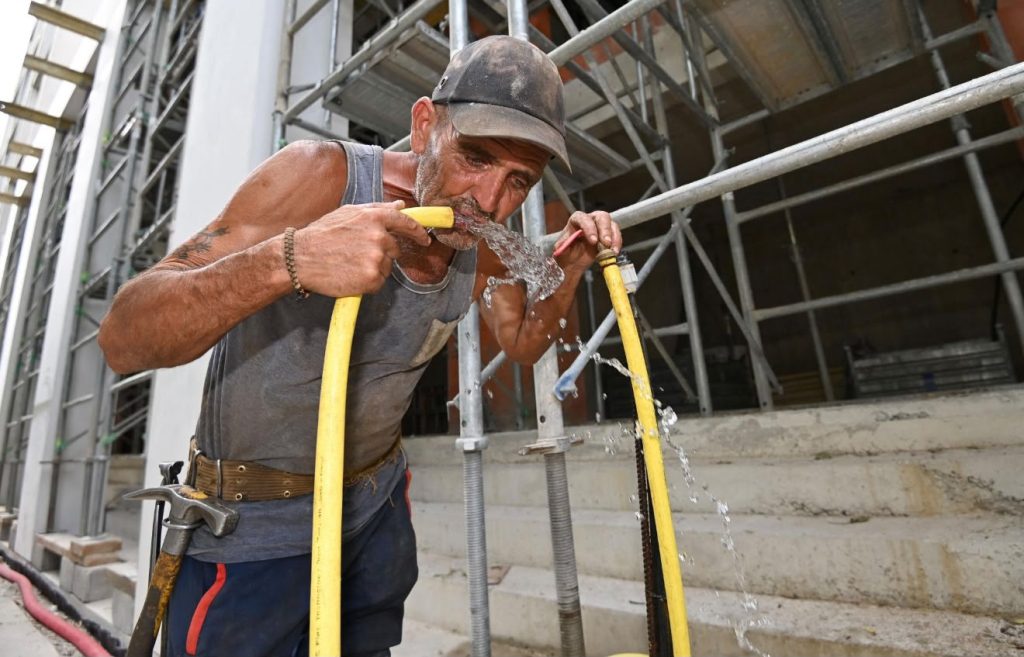
For more blood to reach the skin, the cardiovascular system has to adapt. A review of cardiovascular responses to passive heat stress reports that cardiac output can increase up to twofold during heat stress, largely through an increase in heart rate and changes that help maintain blood flow for heat dissipation. (2)
But the body faces another problem at the same time: Sweating causes water loss. As heat exposure continues, the volume of fluid available to the circulation can decline. The cardiovascular system must therefore deal with two demands at once: supporting blood flow to the skin to help dissipate heat while maintaining adequate circulation for the rest of the body. (2)
The heart is no longer responding to heat as a secondary problem. It has become part of the cooling process itself.
The water leaving your body changes the equation
Sweat is one of the body’s important tools for losing heat, but it comes at a cost: the loss of water and electrolytes. This brings the story to an organ that is not usually visible in the image of a sweating person: The kidneys.
The kidneys play an important role in water and electrolyte regulation as well as cardiovascular control during heat stress. Evidence reviewed by Chapman and colleagues indicates that the kidneys may face an increased risk of pathological events, including acute kidney injury, during heat stress, with the risk compounded by dehydration and exercise. (3)
What began as drops of sweat on the skin can therefore become, with prolonged heat exposure and dehydration, a challenge involving fluid balance, circulation and kidney function.
A construction worker’s story: when symptoms become more than fatigue
This is where scientific information meets a human experience. Construction worker Majdi Khalil, from Nablus, describes an episode in which he experienced severe symptoms while working in hot conditions.
Khalil says he woke up late one day and went to work as usual, but had not eaten or drunk anything before leaving. While working, he developed a headache, followed by nausea, blurred vision and severe dizziness, to the point that he nearly lost consciousness.
He says his colleagues helped him down from a ladder. At first, he expected the symptoms to improve, but they became worse over approximately ten minutes. He then experienced additional symptoms, including a rapid heartbeat, confusion and difficulty speaking.
According to his account, his colleagues took him to hospital, where he says his condition was considered related to heat exposure.
This account does not by itself establish a specific medical diagnosis. It does, however, illustrate how symptoms associated with heat exposure can progress from fatigue and thirst to more serious symptoms requiring medical assessment.
Not all heat is the same
It is easy to reduce the story to a number displayed on a thermometer. But the human body does not respond to air temperature alone.
In heat physiology, heat stress describes the thermal load imposed on the body, while heat strain refers to the physiological response to that load.
The distinction matters. A person is exposed not only to air temperature but to a combination of conditions that determine how much heat the body gains and how much it can lose. Temperature, humidity, air movement, radiation, clothing, physical activity, duration of exposure and heat acclimatization all influence this balance. Individual characteristics, including age and health status, can also affect the response. (1)
That is why there is no single temperature at which the level of danger is identical for everyone.
The more precise questions are: How much heat is the body gaining? How much can it lose? And how long can it continue compensating?
The moment when cooling is no longer enough
The body can compensate only to a certain point. When the amount of heat gained becomes greater than the amount of heat the body can dissipate, thermal balance begins to fail.
At first, the body’s familiar cooling mechanisms continue:
- The skin vessels dilate.
- Sweating continues.
- The kidneys respond to changes in water, electrolytes and circulation.
- The heart works harder to support circulation and heat dissipation.
But if the thermal load continues and heat loss is no longer sufficient to maintain balance, internal body temperature begins to rise.
This is the turning point in the story: The body is no longer simply trying to keep us comfortable in the heat. It is trying to prevent its internal temperature from reaching dangerous levels.
When the brain enters the story
In severe cases, the effects of heat are no longer limited to sweating, thirst and an increased heart rate. The central nervous system becomes one of the major sites of concern.
Neurological dysfunction is a defining feature of heatstroke and can include confusion, delirium, seizures and altered consciousness.
A 2024 review examining heatstroke-related brain injury describes several mechanisms that may contribute to neurological damage, including disruption of the blood-brain barrier, inflammation, oxidative stress and cellular injury. (4)
This makes clear why heatstroke cannot simply be reduced to the statement: “The body became too hot.”
Heatstroke: when heat becomes a systemic injury
Heatstroke is the most severe form of heat-related illness and is a medical emergency.
Medical literature commonly describes heatstroke as severe elevation of core body temperature, often above 40°C, accompanied by acute central nervous system dysfunction. Severe cases can involve injury to multiple organs. (4, 5)
But the number alone does not tell the whole story. The problem is not simply that the body has reached a high temperature. It is that the mechanisms responsible for maintaining thermal balance have become overwhelmed, accompanied by neurological dysfunction and potentially systemic injury.
Recent research describes heatstroke as involving interacting processes such as systemic inflammation, oxidative stress, endothelial injury and coagulation abnormalities, alongside neurological and other organ damage. (5)
The kidneys, liver, brain and cardiovascular system can all be affected. The result is fundamentally different from simply feeling tired because of hot weather.
?If the body can cool itself… what can we do
If the body has its own system for removing heat, prevention begins before that system is forced to operate at its limits.
The basic idea is not simply to “escape the heat,” but to reduce the thermal load placed on the body and help it lose heat more effectively.
The World Health Organization recommends avoiding outdoor activity and strenuous exercise during the hottest part of the day, staying in the shade or cool places, keeping homes cool, wearing light and loose-fitting clothing, using cool showers or other methods to cool the body, and maintaining hydration. WHO also emphasizes paying attention to people who are more vulnerable to heat. (6)
These measures may seem simple, but they target the same mechanisms described by heat physiology. Reducing exposure to heat reduces the amount of heat the body has to remove. Staying in a cooler environment can reduce thermal load, while cooling the skin can support heat loss. Maintaining hydration helps the body cope with fluid losses associated with sweating.
But heat protection is not only an individual responsibility. WHO’s 2026 guidance on heat-health action plans emphasizes coordinated public-health measures, including governance, heat-health warning systems, identifying populations at increased risk, communication, health-system resilience, reducing heat exposure, surveillance, and monitoring and evaluation. (7)
In other words, responding to heat has two interconnected levels: A body trying to maintain its internal temperature — and a society trying to reduce the risk from the outside.
?When is it more than just being tired from the heat
Prevention is not only about knowing how to cool the body. It also means recognizing when symptoms require serious attention.
Heat-related illness can involve headache, dizziness, weakness, nausea, heavy sweating and muscle cramps. (6, 8)
Confusion, delirium, seizures or loss of consciousness — particularly in the context of severe heat exposure — are warning signs requiring urgent medical attention. Heatstroke is a medical emergency. (6, 8)
This brings us back to the beginning of the story. The body can provide warning signals before the most dangerous stages of heat illness, but their significance depends on the context of heat exposure and on recognizing when the body’s ability to compensate may be failing.
?Why doesn’t everyone tolerate heat the same way
Two people can be exposed to the same weather conditions while experiencing very different effects. The reason is that the body’s ability to cope with heat is not identical in everyone.
Age, health status, physical activity, duration of exposure, environmental conditions and heat acclimatization can all influence the level of heat strain experienced by the body. (1, 6)
WHO identifies outdoor and manual workers, athletes and other groups as being particularly exposed to heat because of their activities or working conditions. (6)
The CDC also identifies several groups that may face greater risks, including older adults, young children, pregnant people, people with certain chronic conditions, and people who work or exercise outdoors in the heat. (8)
So the question “How hot is it?” matters. But it is not the only question.
What does the doctor say?
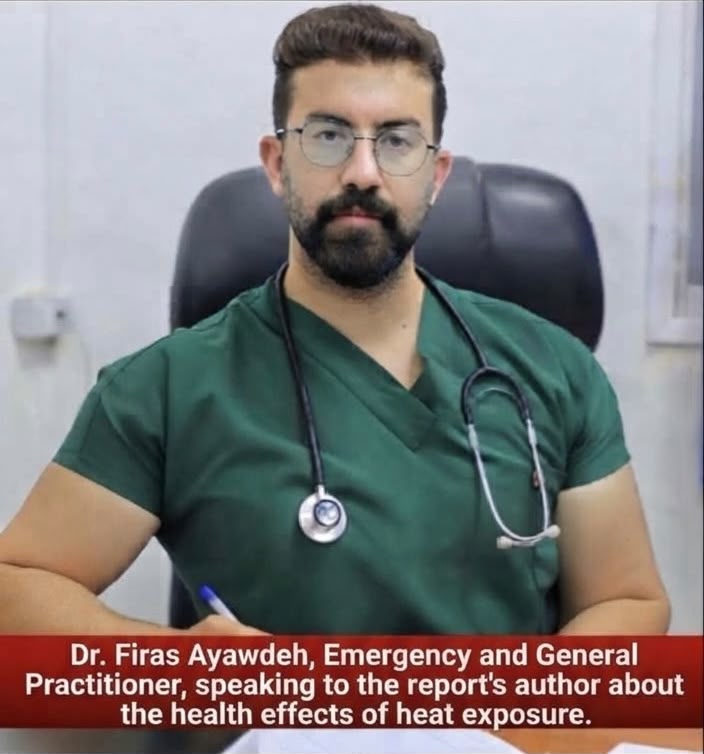
According to Dr. Firas Awawdeh, an emergency and general physician, the body’s ability to tolerate high temperatures differs from one person to another and is influenced by physiological condition and hydration status.
Awawdeh says heat-related symptoms are repeatedly seen among people who work outdoors or remain exposed to direct sunlight for prolonged periods.
He emphasizes hydration as an important part of prevention during periods of high temperatures, particularly through adequate fluid intake, with water as a key source.
If symptoms associated with heat stress appear, he advises moving the person to a shaded or cooler place, removing unnecessary clothing or accessories that may interfere with cooling, and seeking medical care when symptoms are severe or worsening.
According to data from his own clinic, Awawdeh says the number of heat-related cases he treated in 2026 was lower than in 2025, which he attributes, among other factors, to differences in temperatures he observed during the two years.
These figures are specific to his clinic and do not represent national statistics on heat-related illness in Palestine.
?Where can a drop of sweat take you
If we follow the entire journey, the picture looks very different from simply having “a hot day.”
The story begins with an increase in thermal load. The body responds by trying to lose heat through increased skin blood flow and sweating. The cardiovascular system then becomes part of the cooling process, while sweating causes water and electrolyte loss. The kidneys help regulate fluid and electrolyte balance and respond to changes in circulation. Under heat stress, especially when dehydration and physical activity are also present, the risk of kidney injury can increase. (2, 3)
If thermal load continues and heat loss becomes insufficient, internal body temperature begins to rise. In severe cases, the central nervous system may become affected, while inflammation, oxidative stress, vascular injury and coagulation disturbances can contribute to systemic injury involving multiple organs. (4, 5)
This is not a sequence of isolated events. It is a connected system. One response leads to another as the body tries to preserve its balance — until the thermal load becomes greater than the body’s ability to compensate.
The body has limits
Do you think of the body as simply a structure that feels heat? If we stop for a moment and consider what happens inside, we find a remarkably complex system working continuously:
- The nervous system coordinates the response.
- Skin blood vessels change blood flow.
- Sweat glands help remove heat.
- The heart adapts to changes in circulation.
- The kidneys help regulate water and electrolytes.
All of this happens before we reach what we call “heat-related illness.” But the system has limits.
When the amount of heat gained becomes greater than the amount of heat the body has to lose, its protective mechanisms do not simply switch off. They continue working while the physiological burden increases across several systems.
If the thermal load exceeds the body’s ability to compensate, impaired thermoregulation can progress to severe heat injury affecting the nervous system and other organs. (1, 4, 5)
And here lies the paradox: Heat begins outside the body, but its most dangerous events may unfold within. The drop of sweat we see on the skin is not the whole story. It is a visible sign of an entire system working behind it. And danger does not begin simply when the weather becomes “too hot”, but when the thermal load exceeds the body’s capacity to dissipate heat and preserve its balance.
References & Sources
[1] Cramer, M. N., Gagnon, D., Laitano, O., & Crandall, C. G. (2022). Human temperature regulation under heat stress in health, disease, and injury. Physiological Reviews, 102(4), 1907–1989. DOI: 10.1152/physrev.00047.2021.
[2] Crandall, C. G., & Wilson, T. E. (2015). Human cardiovascular responses to passive heat stress. Comprehensive Physiology, 5(1), 17–43. DOI: 10.1002/cphy.c140015.
[3] Chapman, C. L., Johnson, B. D., Parker, M. D., Hostler, D., Pryor, R. R., & Schlader, Z. (2021). Kidney physiology and pathophysiology during heat stress and the modification by exercise, dehydration, heat acclimation and aging. Temperature, 8(2), 108–159. DOI: 10.1080/23328940.2020.1826841.
[4] Yoneda, K., Hosomi, S., Ito, H., et al. (2024). How can heatstroke damage the brain? A mini review. Frontiers in Neuroscience, 18, 1437216. DOI: 10.3389/fnins.2024.1437216.
[5] Alawad, A., Merghani, T., Yousif, N., et al. (2025). Heat stroke dysfunctions: from pathophysiology to prediction. Frontiers in Physiology, 16, 1700342. DOI: 10.3389/fphys.2025.1700342.
[6] World Health Organization. (2026). Heat and health. Updated 31 July 2026.
[7] World Health Organization Regional Office for Europe. (2026). Heat–health action plans: guidance, second edition. 11 June 2026.
[8] Centers for Disease Control and Prevention. (2026). About Heat and Your Health. Updated 20 July 2026.
Local and first-hand sources
Dr. Firas Awawdeh — Emergency and general physician; interview and clinic-specific observations cited in the report.
Majdi Khalil — Construction worker from Nablus; first-hand account of symptoms experienced during work in hot conditions.