
إعداد: حنان أبو سرور — تقرير صحفي علمي
من شقوق الحجر إلى سؤال البداية؟
هنا بدأت قصتنا.
رام الله / نبأ الإخبارية : في دير غسانة، يكفي أن تقف أمام أحد المباني القديمة حتى يبدأ سؤال باقتحام تفكيرك: كيف وصلت هذه المباني إلى ما هي عليه الآن؟
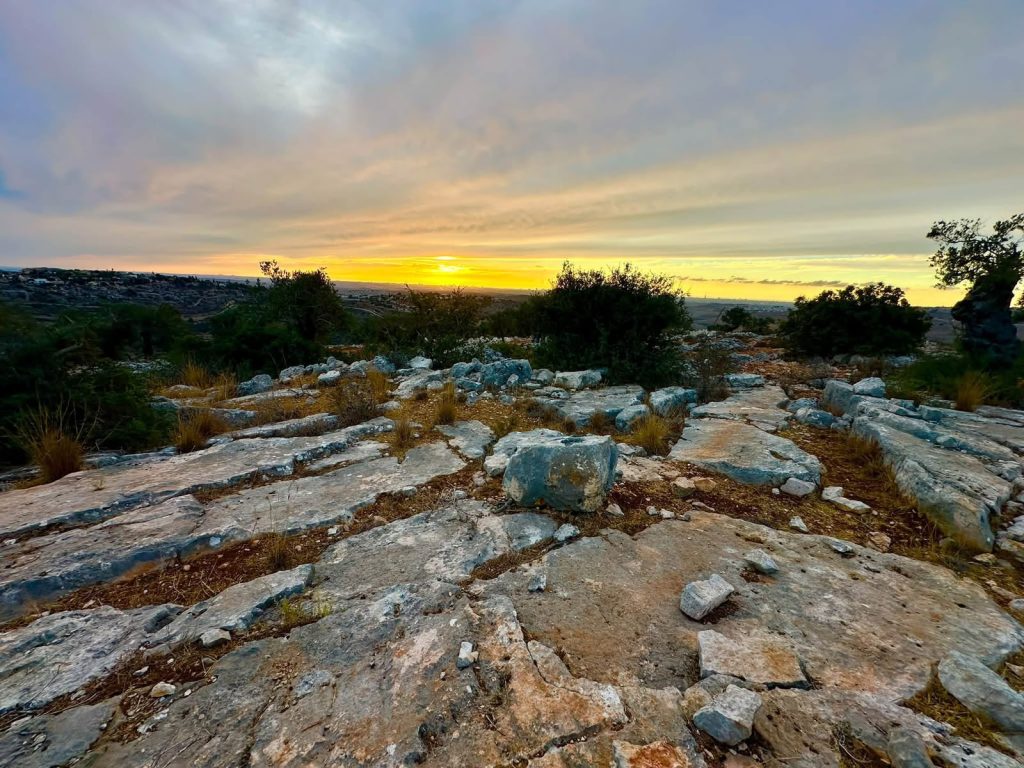
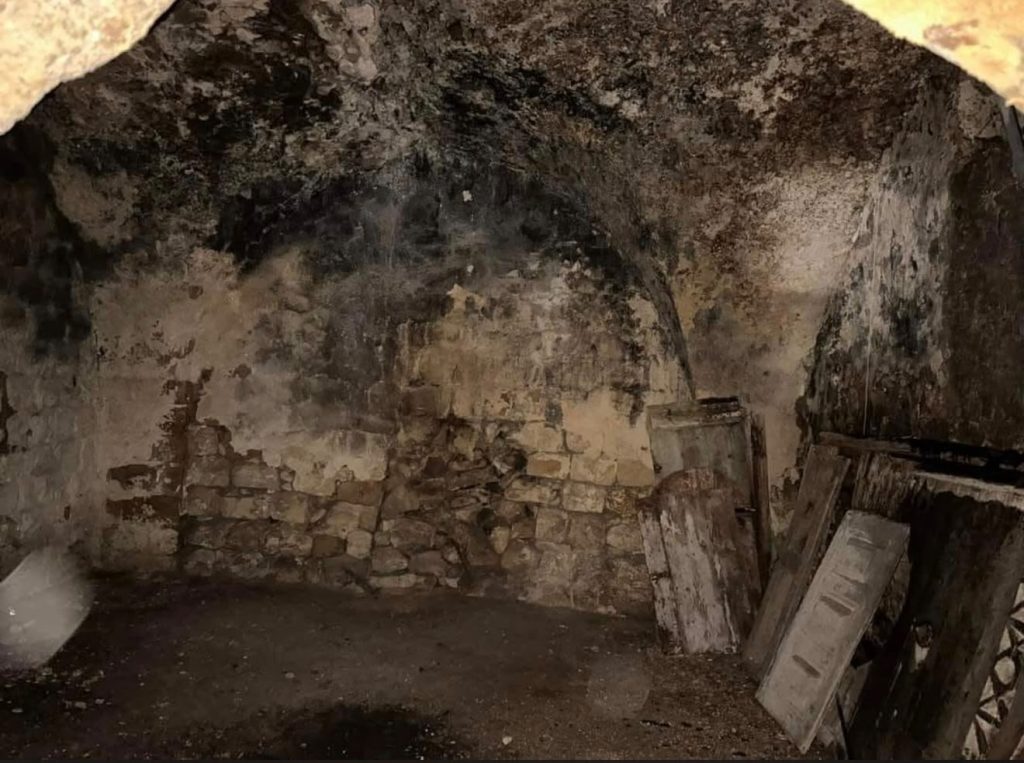
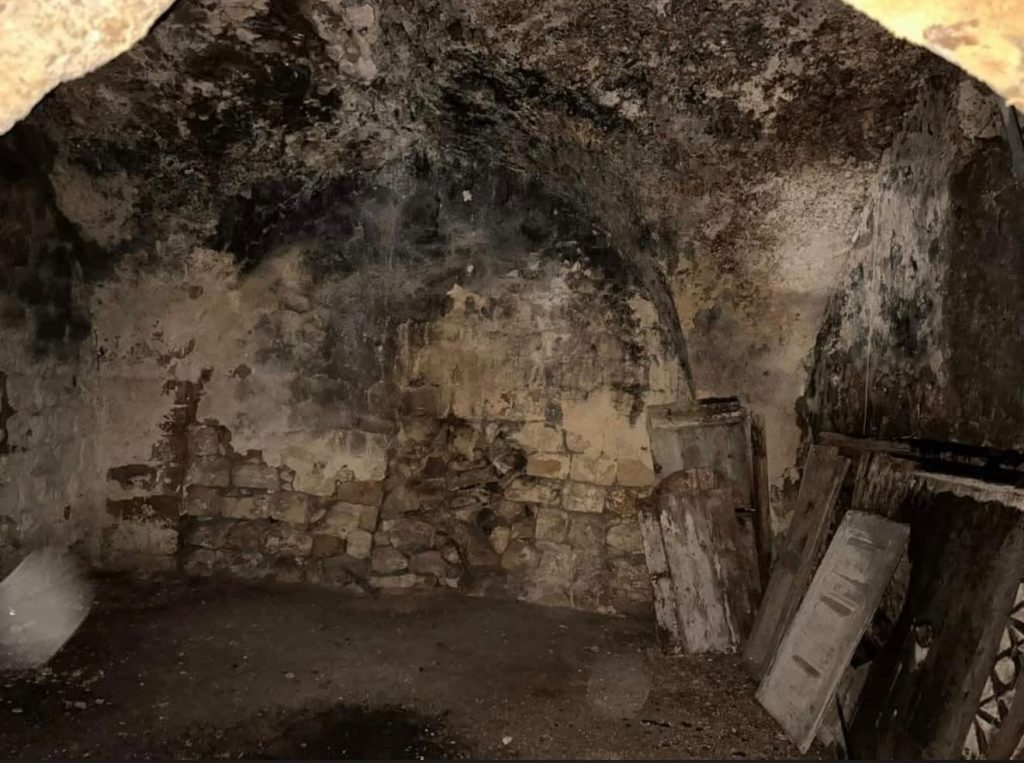
شقوق تمتد في الجدران، أحجار فقدت بعض تماسكها، نباتات تشق طريقها بين الفراغات، وأسقف قديمة تواجه المطر والسنوات؛ كيف وصلت المباني إلى هنا؟ هذا السؤال تحديدًا دفعني إلى بدء البحث من نقطة الصفر، في محاولة للوصول إلى ما يمكن إثباته فعلًا.
لكن المشهد وحده لا يجيب عن السؤال: لماذا تدهورت هذه المباني؟
انطلق هذا العمل من سؤال أكثر تحديدًا: إلى أي مدى أسهمت العوامل الجوية في تدهور مباني دير غسانة التاريخية، وهل لعب تراجع الصيانة، وهجرة السكان، وارتفاع كلفة الترميم، إلى جانب عمر المباني وطرق بنائها، دورًا في تفاقم هذا التدهور؟ وهل يمكن فصل أثر كل عامل عن الآخر استنادًا إلى الأدلة المتاحة؟
من هنا بدأت رحلة البحث، وبدأت الرواية.
لم يكن هدف العمل البحث عن إجابة جاهزة، بل اختبار ما الذي يمكن إثباته فعلًا. لذلك انتقل من جدران المباني إلى الصور القديمة، ومن الصور إلى الوثائق، ومن الوثائق إلى شهادات الباحثين وأبناء المكان، ثم إلى مختصين في البيئة والبناء والتراث. لكن المعاينة البصرية والشهادات لا تكفي وحدها لتحديد السبب المباشر للتشققات أو التدهور؛ لذلك تعاملت مع هذه المعطيات باعتبارها أدلة وقرائن تحتاج إلى التحقق والمقارنة، لا نتائج علمية حاسمة.
ومع كل خطوة تقدمت بها إلى الأمام، ظهر أمر لم يكن أقل أهمية من الضرر نفسه: لم يعثر التقرير، ضمن المصادر والوثائق التي تمكن من الوصول إليها، على دراسة مخبرية محلية دقيقة تفصل بصورة علمية بين أثر العوامل المناخية وأثر الصيانة وعمر المباني وطرق بنائها في تدهور المباني التي شملها البحث، ولكن غياب هذه الدراسة لا يعني أن النتيجة بقيت تحت الركام.
دير غسانة… تاريخ يُقرأ على جدرانه
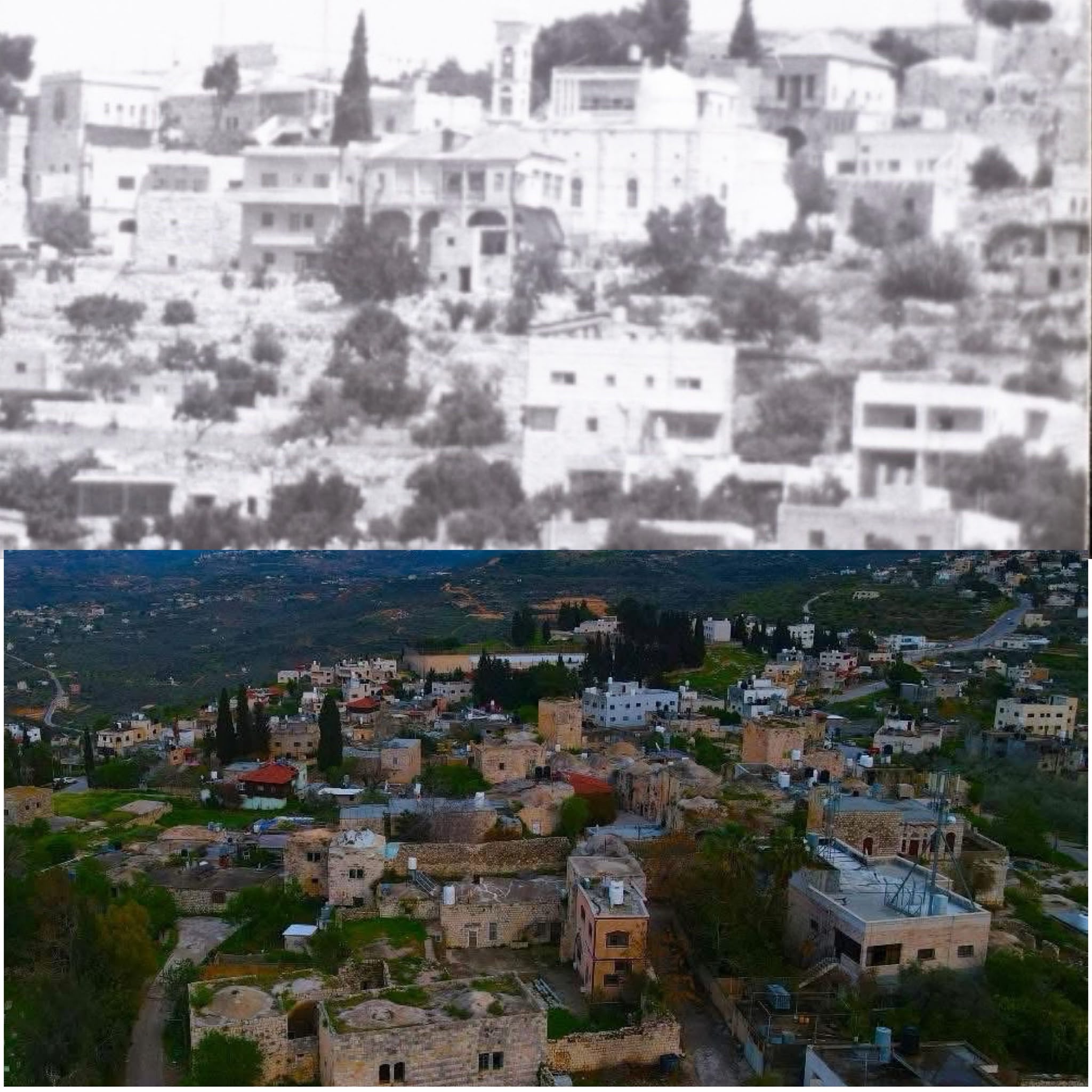
تقع قرية دير غسانة شمال غرب رام الله، وترتفع عن سطح البحر قرابة 480 مترًا، وتشكل مع بيت ريما بلدية بني زيد الغربية. وتصف بيانات سجل مؤسسة رواق القرية بأنها ذات نسيج معماري تاريخي، فيما تشير بيانات السجل إلى وجود مبانٍ تاريخية مستخدمة وأخرى مهجورة.
فبحسب مؤسسة رواق للحفظ المعماري، كان المركز التاريخي لدير غسانة من بين المواقع التي اعتبرتها المؤسسة ذات أهمية معمارية وتاريخية، وأعدت له خطة حماية عام 2005 بالتعاون مع بلدية بني زيد الغربية. وتشير رواق إلى أن الخطة أحصت 279 مبنى تاريخيًا، كان نصفها مهجورًا وقت إعدادها.
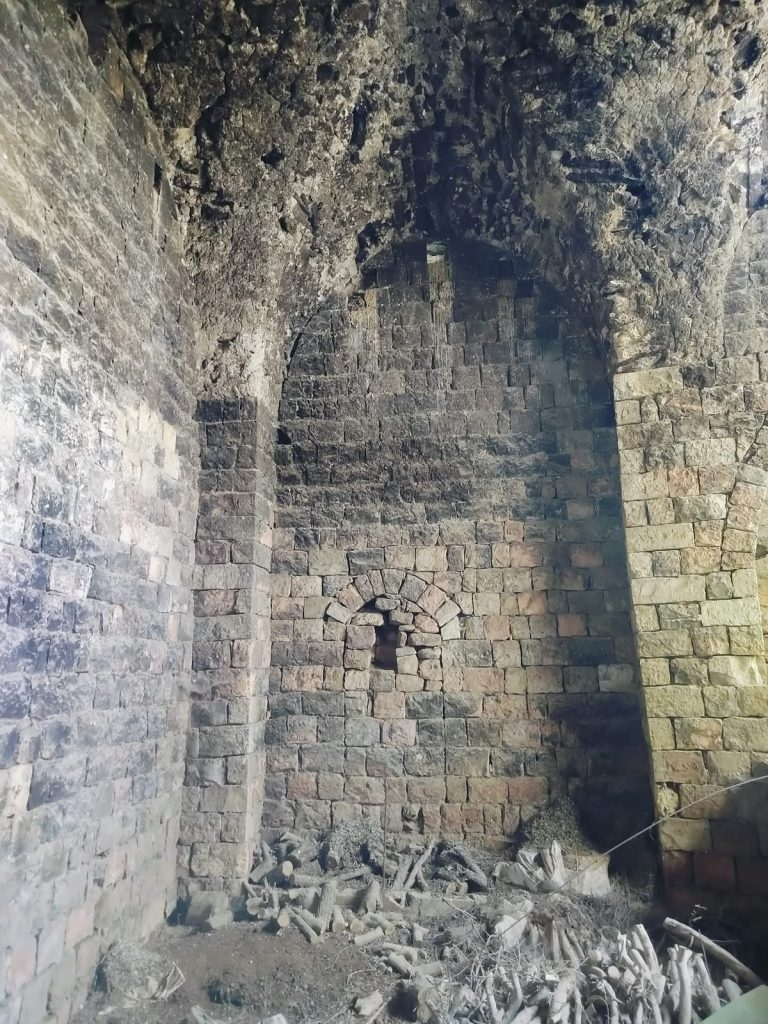
وهنا تظهر أولى المفارقات التي قادت العمل: المبنى قد يكون قديمًا ومهمًا من الناحية التاريخية، لكن قيمته التاريخية لا تحميه تلقائيًا من التدهور. بل إن تركه دون استخدام أو صيانة قد يجعله أكثر عرضة لتراكم الأضرار.
هذه المعلومة لا تجيب وحدها عن سبب تدهور المباني، لكنها تضع أحد المتغيرات الأساسية في سياق البحث: حالة الاستخدام والصيانة. فالمبنى المهجور يواجه ظروفًا مختلفة عن مبنى مأهول يخضع للمتابعة والإصلاح، وهو ما يجعل الهجر عاملًا يستحق الفحص إلى جانب العوامل الجوية وخصائص البناء.
هل المباني رُمّمت؟ الإمكانات والموارد المتاحة
إذا كانت الصيانة عاملًا من عوامل تدهور هذه المباني، فالسؤال لا يتوقف عند حالة المبنى نفسه، بل يمتد إلى القدرة على صيانته.
وهنا لنتوقف: هل المباني رُمّمت؟
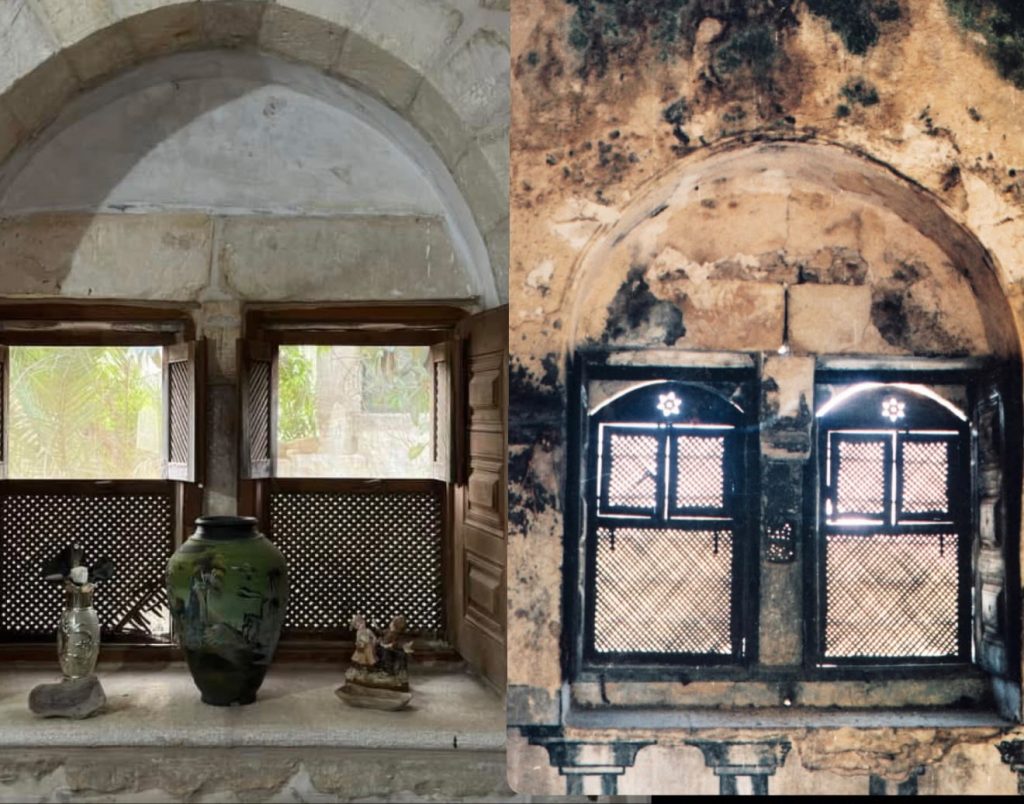
بالرجوع إلى معاينة المباني، نعم، المباني رُمّمت، لكن بقي منها ما يستغيث. لم أكتفِ فقط بالرؤية، بل راجعت الأرشيف وقارنت الصور الموثقة في الأرشيف الرقمي للمتحف الفلسطيني.
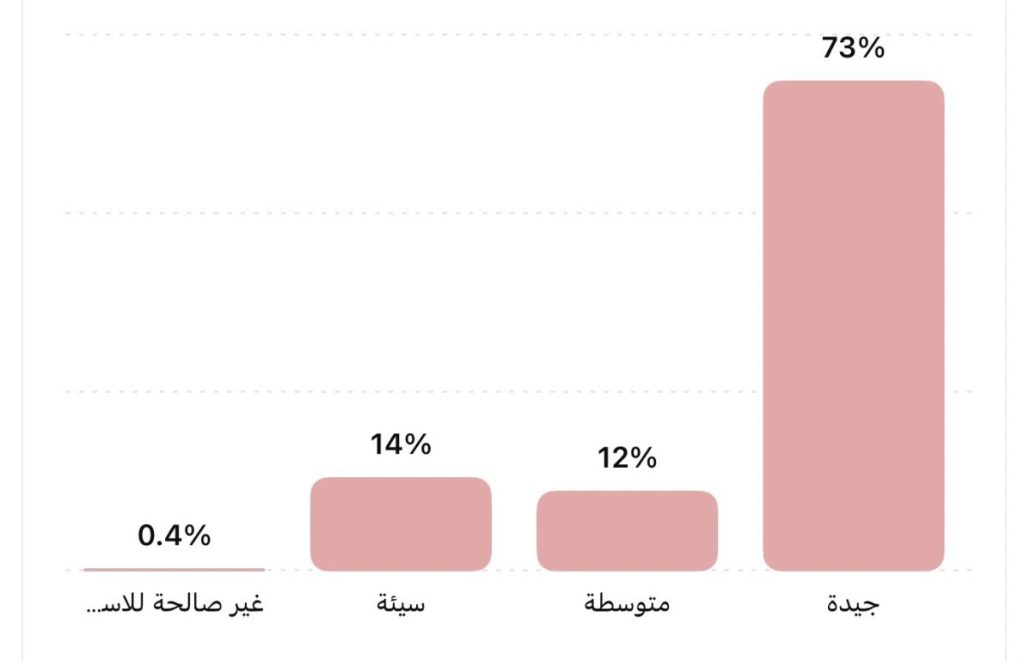
لكن هنا استوقفني سؤال آخر: إذا كان المناخ عاملًا، من يستطيع توضيح هذه المعلومة؟ وهل هناك عوامل أخرى كهجرة السكان؟
لذلك بحثت في دور البلدية وإمكاناتها في تنفيذ أعمال الترميم والصيانة بصورة مستمرة، وما إذا كانت هناك برامج أو موازنات مخصصة للمباني التاريخية، وما العوائق التي قد تحد من استمرارية هذه التدخلات.
بالرجوع إلى المصادر، تشير تصريحات صحفية سابقة، تعود إلى عام 2020، إلى أن بلدية بني زيد الغربية كانت تواجه آنذاك دينًا ماليًا لـ سلطة المياه الفلسطينية. وهنا توقفت للحظة: الآن ما وضع البلدية؟ وهل ما زال هذا الدين قائمًا؟
- شهادة قسم الهندسة في بلدية بني زيد (سائد عبيد): أشار بدوره إلى أن مهندسي البلدية أكدوا على أن عامل المناخ له أثر على تدهور حالة المباني. كما أكد معلومة أن البلدية كانت تعاني من مديونية لسلطة المياه وما زالت، وتم تسديد مبالغ محدودة من الديون المتراكمة، إلا أن هذا الدين لم يمنع البلدية من الاستفادة من منح ومساعدات ساهمت في تنفيذ أعمال ترميم لبعض المباني والمواقع التراثية، ما يشير إلى أن محدودية الموارد المحلية لم تكن عائقًا مطلقًا أمام تدخلات الترميم، وإن بقيت الحاجة قائمة إلى موارد أكثر استدامة لحماية المباني التاريخية.
- إفادة سلطة المياه (عماد عبده – مدير خدمات المشتركين): بالرجوع إلى سلطة المياه، تأكد وجود الدين، مع الإشارة إلى أن البلدية تقوم بتسديد مبالغ منه بصورة متفرقة، وإن كانت محدودة.
وكانت هذه المعلومة جزءًا من محاولة فهم ما إذا كان المناخ عاملًا لوحده، أو اجتمعت عوامل أخرى، كالترميم والصيانة والظروف التي تعمل ضمنها البلدية.
بالعودة لمصدر من دائرة الهندسة المعمارية بجامعة بيرزيت في مشروع تناول إعادة تأهيل وإحياء المركز التاريخي في دير غسانة (2016)، من خلال تحليل وتقييم وضع المركز وتطوير رؤية تهدف إلى حماية الموروث الثقافي والتاريخي وإحيائه (ضم فريق الجامعة د. سالم ذوابة ومساعدتي البحث والتدريس م. رولا الخليلي وم. آلاء أبو عوض)، يتبين أن التوثيق والدراسة لم يحسما سبب التدهور، والمبنى الذي نقف أمامه اليوم يطرح أسئلة جديدة.
حين يجلد المطر الحجر… الآليات الفيزيائية والكيميائية
قد يبدو المطر بعيدًا عن فكرة تدهور مبنى حجري، لكن العلم يقول إن علاقة الماء بالحجر أكثر تعقيدًا من مجرد سقوط المطر على سطحه:
- أبحاث معهد غيتي للحفظ: توضح دراسة Getty Conservation Institute: Stone Deterioration and Treatment أن تدهور الأحجار يمكن أن ينتج عن آليات فيزيائية وكيميائية متعددة، وأن تغيرات الرطوبة والحرارة والتعرض للرياح والأمطار يمكن أن تدخل في عمليات تدهور الحجر.
- أرشيف آيكوموس الدولي: يوضح مرجع ICOMOS Open Archive أن تدهور البناء الحجري غالبًا ما ينتج عن مجموعة من الأسباب الكيميائية والفيزيائية، وأن تغيرات الحرارة والرطوبة يمكن أن تؤدي إلى التجوية والتدهور الفيزيائي لبعض مواد البناء.
- تأثير الرطوبة والأملاح: لا تتوقف آثار الرطوبة عند البلل الظاهر؛ فدخول الماء إلى المواد المسامية يمكن أن يساعد على نقل الأملاح داخلها، ومع ظروف معينة يمكن لتبلور الأملاح أن يساهم في تلف الحجر ومواد البناء التاريخية. ويصف أبحاث Getty Conservation Institute: Salt Research تفاعل الماء والأملاح بأنه من المشكلات المعروفة والمعقدة في الحفاظ على الحجر والعمارة التاريخية.
وهذا يفسر لماذا يمكن أن تصبح بقعة رطبة أو ترسبات ملحية أكثر من مجرد أثر بصري. لكن هل يعني ذلك أن هذه الآليات هي التي تسببت في الضرر الموجود في دير غسانة؟ ليس بالضرورة؛ فالمعرفة العلمية العامة تشرح ما يمكن أن يحدث للحجر، لكنها لا تحدد وحدها ما حدث لكل مبنى في القرية.
ما قول الشهادات… تؤكد أم تنفي؟
بعد ما توصلت له من معلومات ووثائق جاء دور الشهادات من خبراء إلى أبناء القرية المهتمين بهذه المباني:
1. الوجهة الأولى: الباحث مروان سمرات
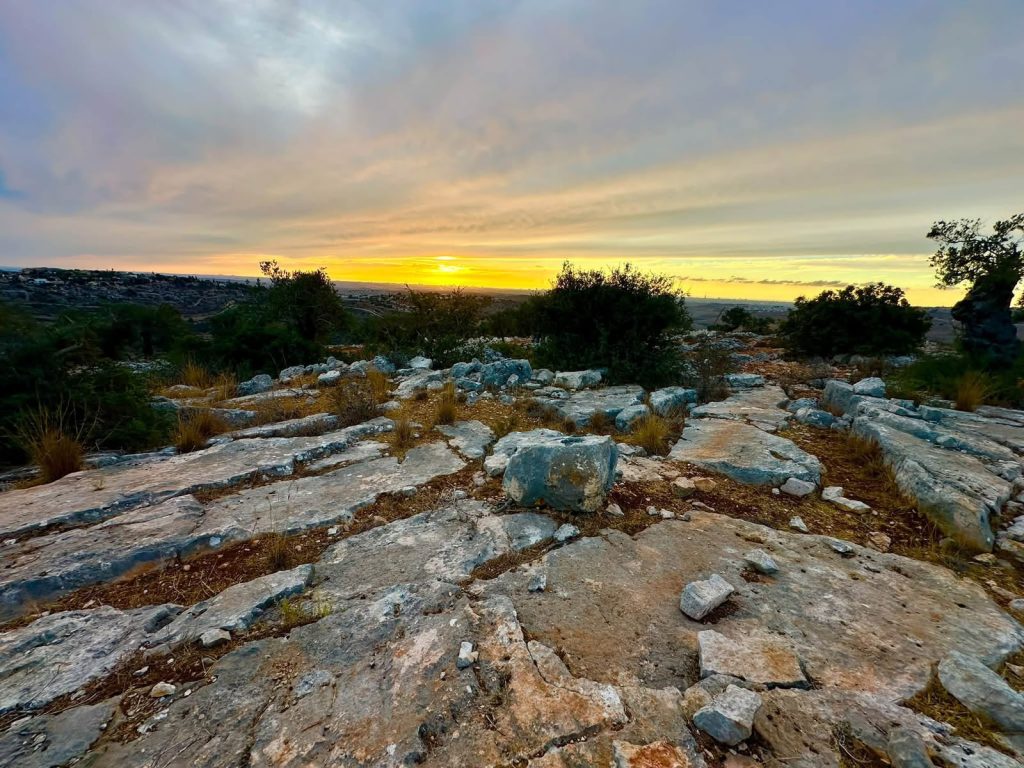
الباحث مروان سمرات، المهتم بالتاريخ والآثار والتراث الفلسطيني، قرأ خلال حديثه عن دير غسّانة ما تركته الطبيعة والسنوات على حجارتها. فمن خلال زيارته للقرية ومشاهداته الميدانية، يرى أن الأمطار والرطوبة والعوامل المناخية يمكن أن تترك أثرها في المباني القديمة، وأن حجارة دير غسّانة ليست بمنأى عن ذلك.
ولفت، من منظور علمي عام، إلى الترسبات الملحية البيضاء التي قد تشير إلى تأثير الرطوبة وحركة الأملاح، كما أشار إلى أن تغيّر لون التربة أو ظهور طبقات داكنة قد يفتح باب التساؤل حول ظروف أو أحداث تاريخية مرّ بها المكان، من بينها احتمال وجود آثار مرتبطة بالحروب. وتتوافق ملاحظة الترسبات الملحية مع الأدبيات العلمية في حفظ الحجر، لكن المعاينة البصرية وحدها لا تثبت سبب الضرر، لذلك عوملت ملاحظات سمرات كقراءة ميدانية تطرح احتمالات، لا كدليل حاسم.
2. الوجهة الثانية: الرحال والمصور محمد الشعيبي (أبو نوح)
أضافت شهادة الرحّال والمصوّر محمد الشعيبي زاوية أخرى من المعاينة الميدانية؛ إذ قال إنه لاحظ خلال تنقله في دير غسانة بعض الخِرَب الأثرية والمقامات وقد تعرضت لتغيرات أو أضرار، أرجع بعضها إلى تدخلات بشرية قام بها أشخاص لم يتمكن من تحديد هوياتهم، شملت الهدم أو تغيير أجزاء من المباني. وتبقى هذه الشهادة في إطار الملاحظة الشخصية، لكنها تشير إلى أن العوامل البشرية المباشرة قد تدخل أيضًا في مسار تغير بعض المواقع التاريخية، إلى جانب المناخ والإهمال وعوامل البناء.
وهنا سؤال يستدعي أن نتوقف قليلًا:
هل المناخ وحده مسؤول أم أصبح هناك يد بشرية؟
يبقى هذا السؤال مطروحًا على الطاولة.
3. الباحث والمؤرخ المحلي أستاذ التاريخ رامي صخر
يوضح أن بعض أصحاب المنازل غادروا القرية إلى المدينة، بينما هاجر آخرون وسافروا خارج البلاد، لتتبقى منازلهم سنوات دون صيانة، كأنها تنتظر من ينجدها. ويشير صخر إلى منزل مهجور انهار بعد عاصفة ثلجية، بينما كان مصير مبنى آخر مختلفًا؛ إذ كان في حالة سيئة قبل أن تمتد إليه أعمال الترميم من خلال الإغاثة الفلسطينية، ليُحوَّل لاحقًا إلى روضة أطفال، وفي المقابل بقيت مبانٍ أخرى دون تغيير أو واصلت التدهور.
4. المهندس بهجت جبارين (المدير العام لحماية البيئة في سلطة جودة البيئة)
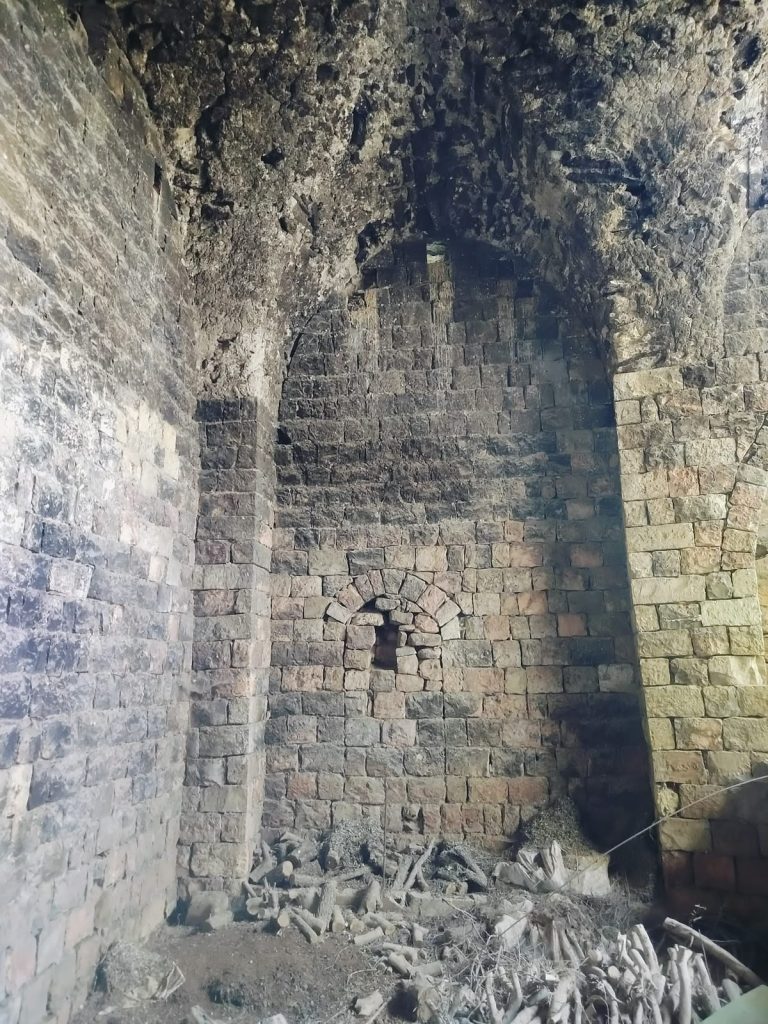
يشير مسؤولو سلطة جودة البيئة الفلسطينية إلى أن العوامل الجوية يمكن أن تسبب أضرارًا للمباني التراثية مثل التحت والتعرية، إلا أن تأثيرها يظهر عادة على مدى زمني طويل جداً. وفي تقديره، فإن الجزء الأكبر من التشققات والأضرار يرتبط بعدم إجراء الصيانة الدورية التي تسمح بتراكم المشكلات. كما أشار إلى أن نمو النباتات داخل أجزاء المبنى يشكل عاملًا إضافيًا للتدهور.
5. إفادة آية طحان (المخططة والمعمارية في مؤسسة رواق)
تكتسب هذه الصورة بعدًا إضافيًا من إفادة آية طحان، التي أوضحت أن مهندسي مؤسسة رواق ربطوا في تقييمهم ميدانيًا بين عوامل المناخ وبين الهجرة وما نتج عنها من إهمال.
فاتورة الحفاظ على الحجر
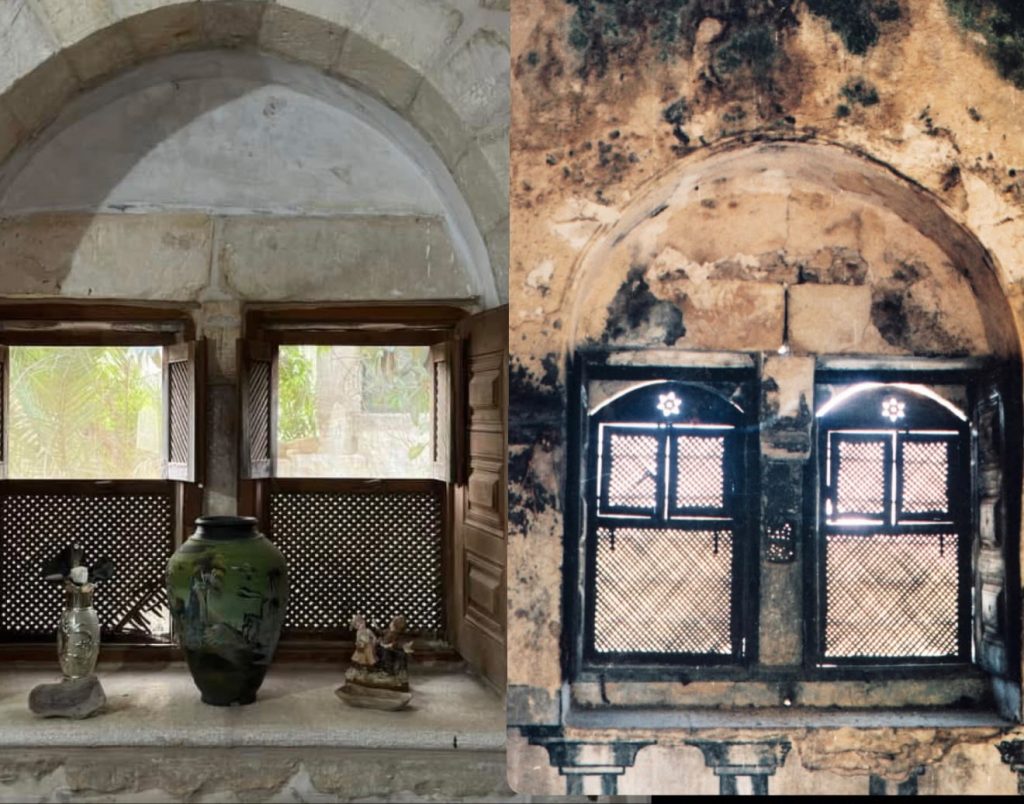
حين ينتقل الحديث إلى كلفة الحفاظ على الإرث، يتحدث العامل في مجال البناء والترميم شهاب سالم مسحل عن حالة حوش دار الحشوة، معتبرًا عملية ترميمه معقدة ومكلفة، ومقدرًا كلفته بنحو 850 ألف شيكل. وهذا الرقم يمثل تقديرًا لحالة الحوش وفق إفادته وليس تقديرًا رسميًا عامًا لجميع مباني دير غسانة، لكنه يبرز حجم التحدي المالي الكبير أمام الصيانة المستمرة.
وتؤكد مؤسسة رواق أنها عملت على ترميم عدد من المباني وأعدت خطة حماية للبلدة القديمة، مبينة أن حماية النسيج التاريخي تحتاج إلى منظومة تحمي المبنى من العودة إلى نقطة التدهور ذاتها.
وهنا لم أكتفِ بالمصدر وحده، بل جاءت إفادة آية طحان التي أكدت على عمليات الترميم ضمن خطة 2005، وأكدت أن مهندسين برفقة المؤسسة شاركوا في النزول الميداني إلى دير غسانة وأكدوا أن العوامل المناخية لها تأثير على حالة المباني.
وعلى صعيد الجهات الرسمية:
- المهندس سائد عبيد (رئيس قسم الهندسة في بلدية بني زيد): أكد أن العوامل المناخية تمثل عاملًا رئيسيًا، إلى جانب غياب الترميم المستمر وهجرة السكان. وأشار إلى وجود خطة مطروحة للفترة من 2027 إلى 2032 تتضمن أعمال ترميم لعدد من المباني من المقرر تسليمها إلى الصندوق في 31 كانون الأول/ديسمبر 2026. ولفت إلى أن دور البلدية يمتد لإعادة توظيف المباني، كدار خطاب التي رُممت وحُوِّلت إلى مؤسسة تقدم خدمات للأطفال ذوي صعوبات النطق بدعم من الوكالة البلجيكية للتنمية.
الخلاصة والنتائج
بناءً على ما جمعته من وثائق، وشهادات ميدانية، وآراء خبراء ومهندسين، إلى جانب ما توضحه المصادر العلمية حول تأثير العوامل المناخية في المباني الحجرية التاريخية:
- تأثير المناخ: يبدو أن المناخ يمثل عاملًا من عوامل تدهور جزء من مباني دير غسانة التاريخية، ولا سيما مع تعرض الحجر ومواد البناء التقليدية للرطوبة والأمطار وتكرار دورات البلل والجفاف وتغير درجات الحرارة.
- غياب الصيانة: تأثير المناخ لا يعمل منفردًا؛ فالعامل الثاني يتمثل في محدودية القدرة على الاستمرار في أعمال الترميم والصيانة، بما يترك الأضرار الصغيرة تتراكم مع مرور الوقت وتزيد من هشاشة المباني.
- الهجرة والإهمال: تأتي هجرة السكان وترك عدد من البيوت التاريخية دون إشغال أو صيانة منتظمة لتفاقم المشكلة، إذ تفقد المباني جزءًا من الرعاية اليومية التي كانت تحميها من تسرب المياه وتراكم الأضرار.
- محدودية الإمكانات والفحوصات: يكشف التحقيق كذلك عن تحدٍ آخر يتعلق بمحدودية الإمكانات المالية والفنية، بما فيها محدودية أدوات الفحص المخبري المتخصصة التي يمكن أن تساعد في تحديد طبيعة التلف وأسبابه بدقة أكبر، وهو ما يجعل معاينة حالة الحجر بدقة أكثر صعوبة.
وعليه، لا يبدو تدهور المباني التاريخية في دير غسانة نتيجة عامل واحد، بل نتيجة تداخل بين تأثير المناخ، وصعوبة استدامة الترميم والصيانة، وهجرة السكان، ومحدودية الموارد، والإمكانات الفنية والمخبرية.
وبينما لا يمكن تحميل عامل واحد المسؤولية الكاملة عن هذا التدهور، فإن الأدلة التي جُمعت تشير إلى أن المناخ يظل عاملًا رئيسيًا، تزداد آثاره عندما تتراجع قدرة المجتمع والمؤسسات على الصيانة المستمرة والاستجابة المبكرة للتلف.
بعد أن عرفنا السبب… كيف نحمي ما تبقى؟
طوال ثلاثين يومًا من المعايشة، والتنقيب في الوثائق، والاستماع إلى روايات أبناء القرية والمختصين، لم يكن السؤال يقف عند حدود “لماذا تدهورت المباني؟”، بل كان السؤال الأصعب يفرض نفسه مع كل حجر سقط: ما الذي يمكن فعله لإنقاذ ما تبقى؟
الإجابات لم تكن وليدة صدفة، بل تبلورت عبر نقاشات مفتوحة دارت مع أهل القرية، واستشارات هندسية وقانونية تناولت سبل الحماية الممكنة. وما أعرضه هنا ليس قرارات مبرمة ولا أحكامًا قطعية، بل خلاصة لطروحات عامة وقفت عليها خلال رحلة البحث، بينما تبقى الكلمة الفصل للأدلة والوقائع التي عرضتها في متن هذا التحقيق:
مقترحات وأسئلة مفتوحة للحماية:
- ⚖️ مراجعة الأطر التشريعية والحوافز: من واقع النقاشات مع أهل الاختصاص، تبدو الحاجة قائمة لمواصلة مراجعة التشريعات المتعلقة بحماية التراث، بما يعزز حماية المباني التاريخية من الهدم أو التشويه، مع بحث حوافز داعمة لأصحاب العقارات للمحافظة على خصائصها المعمارية.
- 💰 تجاوز عقبة التمويل المؤقت: برزت مطالبات بأهمية إيجاد آليات تمويل مستدامة تخرج من دائرة المشاريع الموسمية والمتقطعة، وتوفر حلولًا عملية للمباني التي تواجه تعقيدات في الملكية أو تتطلب تدخلًا إسعافيًا عاجلًا.
- 🏛️ تقوية دور الجهات المختصة: تبرز الحاجة إلى استمرار التنسيق بين البلديات والجهات المعنية بالتراث والباحثين وأصحاب المباني، بحيث لا تبقى حماية المباني التاريخية مرتبطة بمبادرات فردية أو بمشاريع مؤقتة.
- ☕ الترميم الوظيفي المستدام: من بين الأفكار التي نوقشت إعادة توظيف بعض المباني التاريخية بصورة تحافظ على هويتها وتمنحها حياة مستمرة، كتحويل بعضها إلى مقاهٍ تراثية أو مراكز ثقافية، بما قد يساعد في تغطية جزء من تكاليف صيانتها وحمايتها.
- 💻 التوثيق الرقمي كخط دفاع: في ظل محدودية التوثيق المتاح، تبرز أهمية تطوير الأرشفة الرقمية للمباني التاريخية، ويمكن أن تشمل مستقبلًا المسح ثلاثي الأبعاد، بما يساعد على تسجيل حالتها وتحديد أولويات التدخل قبل تفاقم الضرر.
- 🔨 الحفاظ على مهارات البناء والترميم التقليدية: الاستعانة بالخبرات المحلية المتبقية وتدريب جيل جديد من شباب القرية على أساليب البناء والترميم التقليدية، بما يساعد على الحفاظ على المعرفة المرتبطة بهذه المباني وموادها وخصائصها المعمارية.
- 👥 رفع الوعي المجتمعي: حماية المباني التاريخية لا تتوقف عند الجهات الرسمية، إذ إن بقاءها يرتبط أيضًا بوعي السكان بقيمتها، وبإشراك المجتمع المحلي في تحديد المباني المهددة وطرح طرق عملية للحفاظ عليها.
- 🏦 إنشاء آلية وطنية مستدامة للحماية: من بين الطروحات التي برزت خلال البحث الحاجة إلى التفكير في آلية أو صندوق وطني يخصص لحماية المباني التراثية، بحيث لا تبقى عمليات الترميم مرتبطة بتمويل مؤقت أو بمشروع ينتهي بانتهاء مدته.
المصادر والمراجع المعتمدة في التحقيق
المصادر المحلية والتوثيقية:
- مؤسسة رواق – دير غسانة: سجل رواق للمباني التاريخية، صفحة دير غسانة (موقع القرية، المباني التاريخية، الاستخدام والمهجور، أنواع الأسطح والأسقف، وأعمال الترميم وخطة الحماية).
- مؤسسة رواق – المركز التاريخي وخطة الحماية: معلومات النسيج التاريخي وخطة حماية التراث الثقافي المعدة عام 2005.
- جامعة بيرزيت – دائرة الهندسة المعمارية (2016): مشروع إعادة تأهيل وإحياء المركز التاريخي في دير غسانة (تحليل وتقييم وضع المركز وتطوير رؤية للحماية والإحياء، د. سالم ذوابة، م. رولا الخليلي، م. آلاء أبو عوض).
- الأرشيف الرقمي للمتحف الفلسطيني – مجموعة رواق: مواد وصور أرشيفية مرتبطة بدير غسانة وسجلات الصور الخاصة بحوش الشعيبي.
المراجع العلمية الدولية:
Getty Conservation Institute: Magnesian Limestone Project: دراسة أهمية الجمع بين التوثيق المتكرر والمراقبة البيئية والتحليل.
Getty Conservation Institute: Stone Deterioration and Treatment: مرجع علمي حول آليات تدهور الحجر وتأثير الرطوبة والحرارة والرياح والأمطار.
Getty Conservation Institute: Salt Research: مرجع تفاعل الرطوبة والأملاح وآليات تدهور الأحجار ومواد البناء.
ICOMOS Open Archive: The Influence of Temperature and Moisture on Sandstone Masonry Movements: مرجع متخصص حول تأثير تغيرات الحرارة والرطوبة في حركة وتدهور البناء الحجري.
Historic Scotland / ICOMOS: Damp: Causes and Solutions: مرجع الرطوبة في المباني التاريخية، أسبابها وطرق التعامل معها وعلاقتها بتغير المناخ.
Microscope: Is Climate Alone Responsible?
Prepared by: Hanan Abu Srour — Science Journalism Report
From Cracks in the Stone to the Starting Question?
Here, our story began.
In Deir Ghassaneh, all it takes is standing in front of one of the old buildings for a question to begin taking over your thoughts: How did these buildings reach the condition they are in today?
Cracks stretch across the walls, stones have fallen from their places, and the doors of some houses have remained closed for years.
At first glance, the scene may seem to tell a simple story about old buildings worn down by time. But the closer you look, the more another question imposes itself: Was time alone responsible? Or were there other factors that gradually left their mark on these buildings?
This was the question with which the journey began.
For thirty days, I followed documents, searched through archives, visited the buildings in the village, and listened to the stories of residents, researchers, engineers, and people who had followed the condition of these buildings over the years.
The aim of the work was not to seek a ready-made answer, but to test what could actually be established.
Deir Ghassaneh… A History Read on Its Walls
Deir Ghassaneh is located northwest of Ramallah, at an elevation of around 480 meters, and is part of the Bani Zeid al-Gharbi Municipality alongside Beit Rima.
Its historic center carries layers of Palestinian architectural and social history. The old buildings are not simply stone structures; their walls, courtyards, roofs, and abandoned rooms preserve part of the story of the people who lived there.
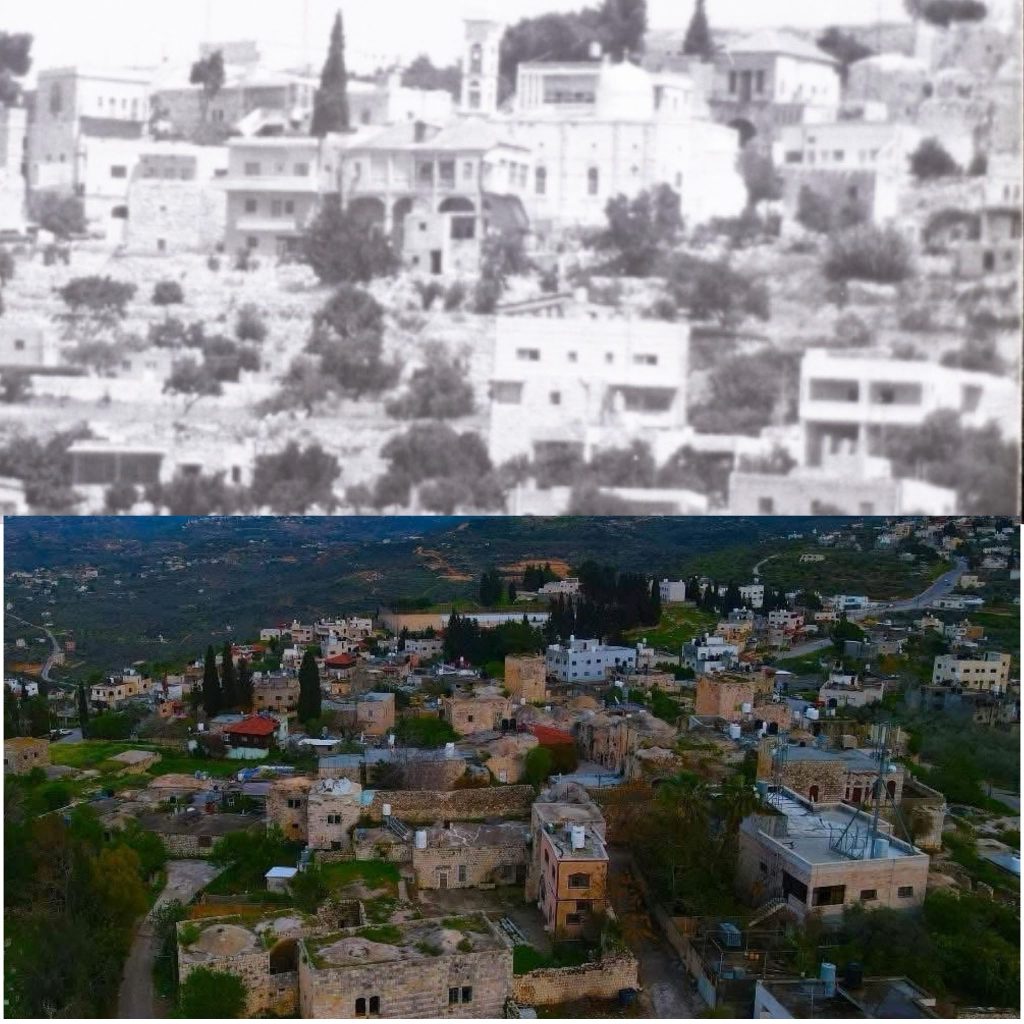
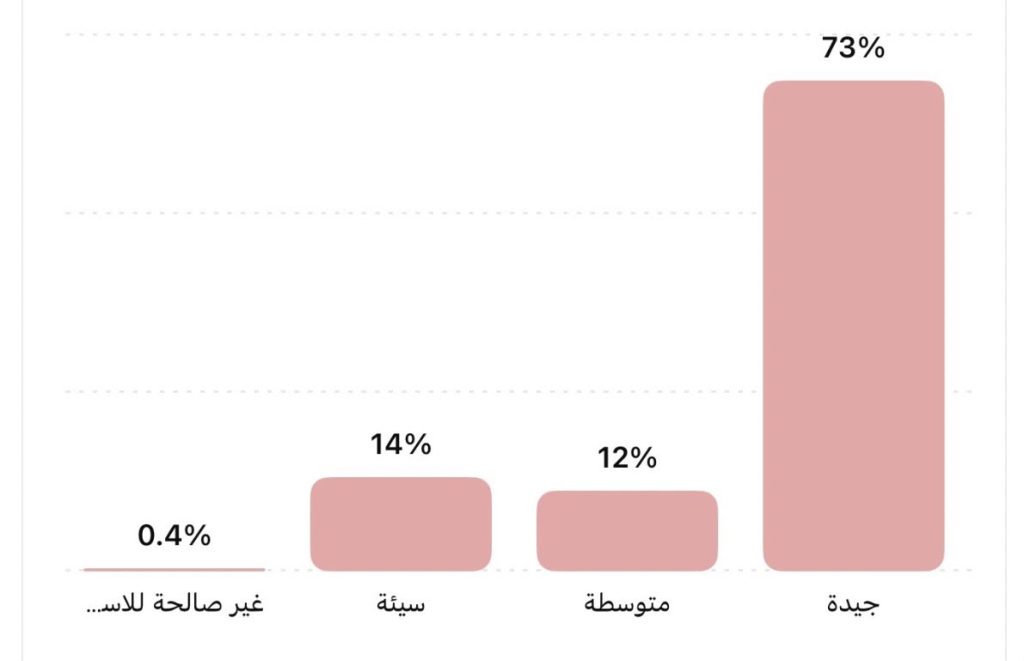
According to Riwaq’s documentation, the historic center contains hundreds of historic buildings. Riwaq’s protection plan for the to every building in the village.
historic center, prepared in 2005, documented 279 historic buildings, around half of which were abandoned at the time the plan was prepared.
But the documentation and study did not determine the cause of the deterioration, and the building we stand before today raises new questions.
I returned to the documents once again.
In 2016, the Department of Architecture at Birzeit University worked on a project for the rehabilitation and revitalization of the historic center of Deir Ghassaneh. The project included an analysis and assessment of the condition of the center and the development of a vision for its protection and revitalization. It was prepared by Dr. Salem Thuaba, Eng. Rula Khalili, and Eng. Alaa Abu Awad.
However, the question remained: What exactly caused the deterioration we see today?
When Rain Beats Against Stone… Physical and Chemical Mechanisms
Rain may seem far removed from the idea of a stone building deteriorating, but science tells us that the relationship between water and stone is more complicated than simply rain falling on its surface.
Research by the Getty Conservation Institute explains that stone deterioration can result from multiple physical and chemical mechanisms, and that changes in moisture and temperature, together with exposure to wind and rain, can contribute to processes of stone deterioration.
The ICOMOS archive also explains that the deterioration of stone construction often results from a combination of chemical and physical causes, and that changes in temperature and moisture can lead to weathering and physical deterioration in some building materials.
As for moisture, its effects do not stop at visible wetness. Water entering porous materials can help carry salts through them, and under certain conditions, salt crystallization can contribute to damage to stone and historic building materials.
The Getty Conservation Institute describes the interaction between water and salts as a known and complex problem in the conservation of stone and historic architecture.
This explains why a damp spot or salt deposits can be more than just a visual trace.
But does this mean that these mechanisms are what caused the damage found in Deir Ghassaneh?
Not necessarily.
General scientific knowledge explains what can happen to stone, but it does not, by itself, determine what happened.
What Do the Testimonies Say… Do They Confirm or Refute?
After what I had reached through the information and documents, it was time for the testimonies—from experts to members of the village who are interested in these buildings. My first stop was:
Researcher Marwan Samarat, who is interested in Palestinian history, archaeology, and heritage, read, during our conversation about Deir Ghassaneh, what nature and the passing years had left on its stones.
Through his visit to the village and his field observations, he believes that rain, moisture, and climatic factors can leave their mark on old buildings, and that the stones of Deir Ghassaneh are not immune to this.
From a general scientific perspective, he pointed to the white salt deposits that may indicate the effect of moisture and the movement of salts. He also noted that changes in soil color or the appearance of dark layers may open questions about conditions or historical events that the place experienced, including the possibility of traces associated with wars.
The observation of salt deposits is consistent with scientific literature on stone conservation. But visual inspection alone does not establish the cause of the damage. Therefore, Samarat’s observations were treated as a field reading that raises possibilities, not as conclusive evidence.
As for the Second Stop…
The testimony of traveler and photographer Mohammad Al-Shaibi, known as “Abu Nuh,” added another angle to the field observation.
He said that while moving through Deir Ghassaneh, he noticed some archaeological ruins and shrines that had undergone changes or sustained damage. He attributed some of these changes to human interventions carried out by people whose identities he was unable to determine, including demolition or alterations to parts of the buildings.
This testimony remains within the framework of personal observation, but it points to the possibility that direct human factors may also enter the course of change affecting some historic sites, alongside climate, neglect, and construction-related factors.
And here is a question that calls on us to pause for a moment.
Is Climate Alone Responsible, or Has a Human Hand Also Become Involved?
The question remains on the table.
Returning to local researcher, historian, and history teacher Rami Sakhr, he explains that some homeowners left the village for the city, while others migrated and traveled abroad, leaving their homes for years without maintenance, as if they were waiting for someone to come to their rescue.
Sakhr points to an abandoned house that collapsed after a snowstorm, while another building had a different fate. It had been in poor condition before restoration work reached it through Palestinian Relief, and it was later converted into a kindergarten.
On the other hand, other buildings remained unchanged or continued to deteriorate.
In a related context, Eng. Bahjat Jabarin, Director General of Environmental Protection at the Environment Quality Authority, points out that weather conditions can cause damage to heritage buildings, such as weathering and erosion. However, in his assessment, their effects usually appear over a very long period of time.
In his view, the greater part of the cracks and damage is linked to the absence of regular maintenance, which allows problems to accumulate. He also pointed out that plants growing inside parts of the building constitute an additional factor in deterioration.
This picture gains another dimension through the testimony of Aya Tahan, a planner and conservation architect at Riwaq, who explained that the institution’s engineers, during their field assessment, linked climatic factors with migration and the neglect that resulted from it.
The Cost of Preserving Stone
When the conversation moves to the cost of preserving heritage, construction and restoration worker Shihab Salem Mashel speaks about the condition of Hosh Dar al-Hashwa.
He considers its restoration to be complex and costly, estimating its cost at around NIS 850,000.
This figure represents an estimate of the condition of the courtyard according to his testimony. It is not an official general estimate for all the buildings of Deir Ghassaneh, but it highlights the scale of the major financial challenge facing continuous maintenance.
Riwaq confirms that it has worked on restoring a number of buildings and prepared a protection plan for the historic town, explaining that protecting the historic fabric requires a system that protects buildings from returning to the same point of deterioration.
Here, I did not rely on the source alone. Aya Tahan, a planner and conservation architect at Riwaq, also gave her testimony. She confirmed the restoration operations carried out as part of the 2005 plan and confirmed that engineers accompanying the institution took part in field visits to Deir Ghassaneh and concluded that climatic factors have an effect on the condition of the buildings.
At the level of the official authorities, Eng. Saed from Bani Zeid Municipality confirmed that climatic factors represent a major factor, alongside the absence of continuous restoration and the migration of residents.
He pointed to a proposed plan for the period from 2027 to 2032 that includes restoration work on a number of buildings, which is scheduled to be submitted to the fund on December 31, 2026.
He also pointed out that the municipality’s role extends to giving buildings new uses, such as Dar Khattab, which was restored and converted into an institution providing services to children with speech difficulties, with support from the Belgian development agency.
What Do the Documents, Testimonies, and Experts Tell Us?
Based on what I collected of documents, field testimonies, and the opinions of experts and engineers, together with what scientific sources explain about the effects of climatic factors on historic stone buildings, it appears that climate is one of the factors contributing to the deterioration of some of Deir Ghassaneh’s historic buildings, particularly as stone and traditional building materials are exposed to moisture and rain, repeated wetting and drying cycles, and changes in temperature.
But the effect of climate does not work alone.
The second factor is the limited ability to continue restoration and maintenance work, leaving small forms of damage to accumulate over time and increasing the vulnerability of the buildings.
The migration of residents and leaving a number of historic houses unoccupied or without regular maintenance further aggravates the problem, as the buildings lose part of the daily care that once protected them from water infiltration and the accumulation of damage.
The report also reveals another challenge related to limited financial and technical resources, including limited access to specialized laboratory testing tools that could help determine the nature of deterioration and its causes more precisely. This makes examining the condition of the stone more difficult.
Accordingly, the deterioration of historic buildings in Deir Ghassaneh does not appear to be the result of a single factor, but rather of an interaction between the effects of climate, the difficulty of sustaining restoration and maintenance, population migration, limited resources, and technical and laboratory limitations.
While no single factor can be held fully responsible for this deterioration, the evidence collected indicates that climate remains a major factor, with its effects becoming more pronounced when the community’s and institutions’ ability to carry out continuous maintenance and respond early to damage declines.
After Understanding the Causes… How Can We Protect What Remains?
Throughout thirty days of living alongside the story, searching through documents, and listening to the stories of village residents and specialists, the question did not stop at “Why did the buildings deteriorate?”
Rather, the more difficult question imposed itself with every stone that fell:
What can be done to save what remains?
The answers did not come by chance. They took shape through open discussions that took place with people from the village, and through engineering and legal consultations that addressed possible ways of protection.
What I present here is not binding decisions or definitive judgments. Rather, it is a summary of general proposals that I came across during the journey of this research, while the final word remains with the evidence and facts that I presented in the body of this report.
Suggestions and Open Questions for Protection
- Reviewing Legal Frameworks and Incentives: Based on discussions with specialists, there appears to be a need to continue reviewing legislation related to heritage protection in a way that strengthens the protection of historic buildings from demolition or alteration, while exploring supportive incentives for property owners to preserve their architectural characteristics.
- Moving Beyond Temporary Funding: Calls emerged for the importance of finding sustainable funding mechanisms that move beyond seasonal and fragmented projects and provide practical solutions for buildings facing complicated ownership issues or requiring urgent intervention.
- Strengthening the Role of Relevant Authorities: There is a need to continue coordination between municipalities, heritage authorities, researchers, and building owners, so that the protection of historic buildings does not remain dependent on individual initiatives or temporary projects.
- Sustainable Adaptive Reuse: Among the ideas discussed was the reuse of some historic buildings in ways that preserve their identity and give them a continuing life, such as converting some of them into heritage cafés or cultural centers, which could help cover part of their maintenance and protection costs.
- Digital Documentation as a Line of Defense: Given the limited documentation available, the importance of developing digital archives for historic buildings becomes clear. In the future, this could include three-dimensional scanning, helping document their condition and identify intervention priorities before the damage worsens.
- Preserving Traditional Construction and Restoration Skills: Using the remaining local expertise and training a new generation of young people from the village in traditional construction and restoration methods could help preserve the knowledge associated with these buildings, their materials, and their architectural characteristics.
- Raising Community Awareness: The protection of historic buildings does not stop at official authorities, as their survival is also connected to residents’ awareness of their value and to involving the local community in identifying threatened buildings and proposing practical ways to preserve them.
- Creating a Sustainable National Protection Mechanism: Among the ideas that emerged during the research was the need to consider a mechanism or national fund dedicated to protecting heritage buildings, so that restoration efforts do not remain dependent on temporary funding or on a project that ends when its period ends.
Sources and References Used in the Report
Local and Documentary Sources
- Riwaq – Deir Ghassaneh 🔗: Riwaq’s historic buildings registry, Deir Ghassaneh page, including the village’s location, historic buildings, use and abandonment, types of surfaces and roofs, restoration work, and the protection plan.
- Riwaq – Historic Center and Protection Plan 🔗: Information on the historic fabric and the cultural heritage protection plan prepared in 2005.
- Birzeit University – Department of Architecture (2016) 🔗: Rehabilitation and Revitalization Project for the Historic Center of Deir Ghassaneh — analysis and assessment of the condition of the center and development of a vision for its protection and revitalization. Prepared by Dr. Salem Thuaba, Eng. Rula Khalili, and Eng. Alaa Abu Awad.
- Palestine Museum Digital Archive – Riwaq Collection 🔗: Archival materials and photographs related to Deir Ghassaneh and photographic records of Hosh Al-Shaibi.
Scientific References
- Getty Conservation Institute: Stone Deterioration and Treatment 🔗 — a scientific reference on mechanisms of stone deterioration and the effects of moisture, temperature, wind, and rain.
- Getty Conservation Institute: Salt Research 🔗 — a reference on the interaction between moisture and salts and the mechanisms of deterioration affecting stone and building materials.
- ICOMOS Open Archive: The Influence of Temperature and Moisture on Sandstone Masonry Movements 🔗 — a specialized reference on the effects of changes in temperature and moisture on the movement and deterioration of stone masonry.
- Historic Scotland / ICOMOS: Damp: Causes and Solutions 🔗 — a reference on moisture in historic buildings, its causes, ways of dealing with it, and its relationship to climate change.
- Getty Conservation Institute: Magnesian Limestone Project 🔗 — a study on the importance of combining repeated documentation, environmental monitoring, and analysis.
Original Interviews and Testimonies
Eng. Bahjat Jabarin: Interview on the effects of weather conditions, moisture, water, maintenance, and plants on historic heritage buildings.
Traveler Mohammad Al-Shaibi (Abu Nuh): Interview on changes to buildings and ruins in Deir Ghassaneh and migration.
Rami Sakhr: Interview on abandoned buildings, collapses, and restoration cases in the village.
Marwan Samarat: Interview on visual observation of signs of deterioration, moisture, and salt deposits.
Shihab Salem Mashel: Interview on construction and restoration, the condition of Hosh Dar al-Hashwa, and the estimated cost of its restoration.
Source/researcher who declined to be identified: Testimony on the interaction between neglect, the age of the buildings, and construction methods.
Aya Tahan: Planner and conservation architect at Riwaq; field testimony during the restoration plan.
Saed Obeid: Head of the Engineering Department at Bani Zeid Municipality.