

أصبح الذكاء الاصطناعي أداة تساعد الصحفي على إنجاز عمله، أم أنه أضاف مشكلات جديدة إلى مهنة تقوم أساسًا على التحقق من المعلومات؟
إعداد: حنان رأفت عيسى أبو سرور
نبأ الإخبارية: داخل غرف الأخبار، تختلف الآراء حول الذكاء الاصطناعي. هناك صحفيون يستخدمونه في تحرير الأخبار والبحث عن المصادر، وآخرون يجدون أنفسهم مضطرين إلى مراجعة مخرجاته وتصحيح أخطائه. وبين من يرى فيه وسيلة لتوفير الوقت ومن يحذر من الاعتماد عليه، يبقى السؤال: هل يمكن الوثوق بالمعلومات التي يقدمها، ومتى تتحول المساعدة إلى عبء إضافي؟
خلال إعداد هذا التقرير، اختبرتُ عددًا من أدوات الذكاء الاصطناعي في مهام تتعلق بإنتاج المحتوى، وتحدثتُ مع صحفيين وطالبة إعلام ومتخصص في تكنولوجيا المعلومات. اختلفت تجاربهم، لكن جميعها تفتح بابًا للنقاش حول حدود هذه الأدوات، وما يمكن أن تضيفه إلى العمل الصحفي، وما يحتاج إلى مراجعة بشرية قبل النشر.
إجابة مقنعة لا تعني بالضرورة أنها صحيحة.
يستخدم الصحفي محمد سراري، من وكالة بالغراف، أدوات الذكاء الاصطناعي في تحرير الأخبار وجمع المصادر. لكنه لا يراها بديلًا عن الصحفي، مشيرًا إلى أن مخرجاتها قد تتضمن هلوسات، أي معلومات غير صحيحة أو غير دقيقة تظهر أحيانًا بصياغة تبدو مقنعة.
وهذه إحدى المشكلات التي تواجه الصحفي عند استخدام هذه الأدوات. فقد تقدم إجابة مرتبة تتضمن أسماء وتواريخ وروابط، لكن ذلك لا يعني أن كل ما ورد فيها صحيح، أو أن المصادر المذكورة تدعم فعلًا المعلومات المنسوبة إليها.

في العمل الصحفي، لا يكفي العثور على دراسة أو تقرير يحمل عنوانًا مناسبًا؛ بل يجب الرجوع إليه والتأكد من أن محتواه يؤيد الادعاء، وأن المعلومات الواردة فيه حديثة وموضوعة في سياقها الصحيح. ويمكن للذكاء الاصطناعي أن يساعد في الوصول إلى مصادر محتملة أو اقتراح مسارات للبحث، لكن مسؤولية التحقق تبقى على الصحفي.
ولا تقتصر هذه المخاوف على تجارب الأفراد. ففي أكتوبر/تشرين الأول 2025، نشر اتحاد البث الأوروبي (EBU)، بالتعاون مع هيئة الإذاعة البريطانية (BBC)، دراسة تناولت موثوقية إجابات مساعدات الذكاء الاصطناعي عند التعامل مع الأخبار والشؤون الجارية.
شارك في الدراسة صحفيون من 22 مؤسسة إعلامية عامة في 18 دولة، واختبروا أكثر من ثلاثة آلاف إجابة بأربع عشرة لغة، شملت مخرجات أدوات مثل ChatGPT وCopilot وGemini وPerplexity.
ووجدت الدراسة أن 45% من الإجابات التي جرى تقييمها تضمنت مشكلة مهمة واحدة على الأقل، فيما ظهرت مشكلات كبيرة في إسناد المعلومات إلى المصادر في 31% من الإجابات، ومشكلات كبيرة في الدقة في 20% منها.
هذه النسب لا تعني أن النسبة نفسها من جميع إجابات الذكاء الاصطناعي خاطئة؛ فالنتائج تتعلق بعينة الدراسة والأسئلة ومعايير التقييم التي استخدمها الباحثون. لكنها تشير إلى أن الإجابة التي تبدو موثوقة قد تحتوي على أخطاء في المعلومات أو في طريقة نسبتها إلى المصادر.
المصدر: اتحاد البث الأوروبي، دراسة سلامة الأخبار في مساعدات الذكاء الاصطناعي.
لماذا تختلق الأدوات معلومات أحيانا؟
لفهم هذه الأخطاء، تحدثتُ مع الدكتور جميل اطميزي، المتخصص في تكنولوجيا المعلومات في جامعة فلسطين الأهلية، الذي شرح أن النماذج اللغوية الكبيرة تنتج النصوص اعتمادًا على الأنماط التي تعلمتها والسياق الذي تتلقاه، ولا تملك آلية تضمن صحة كل معلومة تنتجها.
تعمل هذه النماذج على توقع تسلسل الكلمات أو الوحدات النصية الأكثر ملاءمة للسياق. ويمكنها بذلك إنتاج إجابات مفيدة ودقيقة في حالات كثيرة، لكنها قد تنتج أيضًا أسماء، أو تواريخ، أو إحصاءات، أو مراجع غير صحيحة، وتعرضها بلغة واثقة. وتُعرف هذه الظاهرة باسم «هلوسة الذكاء الاصطناعي».
وقد تظهر المشكلة عندما يُطلب من الأداة تقديم تفاصيل دقيقة عن موضوع متخصص، أو معلومات حديثة، أو وقائع محلية لا تتوفر عنها بيانات كافية. وفي هذه الحالات، قد تقدم الأداة إجابة مكتملة ظاهريًا بدلًا من أن توضح أن المعلومات المتاحة لا تكفي للإجابة.
ويشير اطميزي إلى ضرورة التمييز بين توليد الإجابة والتحقق منها. فحتى عندما تستعين الأداة بمحرك بحث أو بمصادر خارجية، يظل احتمال الخطأ قائمًا؛ فقد يكون المصدر غير موثوق، أو قد يُفهم محتواه بصورة خاطئة، أو تُنسب إليه معلومة لم يذكرها.
ويتفق هذا التفسير مع ما أورده المعهد الوطني الأمريكي للمعايير والتقنية (NIST) في تقريره عن مخاطر الذكاء الاصطناعي التوليدي، المنشور عام 2024، والذي تناول إنتاج الأنظمة محتوى خاطئًا أو مضللًا قد يبدو مقنعًا للمستخدم.
المصدر:NIST، ملف مخاطر الذكاء الاصطناعي التوليدي (NIST AI 600-1).
من جهته، يرى شحاته السيد، الباحث والصحفي المصري والرئيس التنفيذي لشركة OSH للذكاء الاصطناعي، أن دقة النتائج تختلف بحسب الأداة والمهمة. ويشير إلى أن تقديم تعليمات أكثر تحديدًا وسياق أوضح قد يساعد في تحسين الإجابات، لكنه يشدد على ضرورة فهم الصحفي لطريقة استخدام هذه الأدوات وحدودها.
فكلما كانت التعليمات أوضح، زادت فرصة الحصول على نتيجة تناسب المطلوب، لكن ذلك لا يضمن صحتها. وحتى لو أعادت الأداة الإجابة نفسها أكثر من مرة، لا يصبح ذلك دليلًا مستقلًا على دقتها. ولهذا، لا بد من العودة إلى المصادر الأصلية والتحقق من المعلومات قبل نشرها.
ماذا كشفت تجاربي مع الأدوات؟
لم أكتفِ بالاطلاع على الدراسات والاستماع إلى تجارب الآخرين، بل جرّبتُ عددًا من أدوات الذكاء الاصطناعي في أثناء إعداد التقرير، من إنتاج الصور والتصميمات إلى التعامل مع النصوص والصوت والمعلومات.
في بعض الحالات، ساعدتني الأدوات في ترتيب الأفكار واقتراح محتوى أولي وتصميمات يمكن البناء عليها. لكن النتائج لم تكن مناسبة دائمًا؛ فقد ظهرت أخطاء كتابية في بعض التصميمات، واضطررت إلى مراجعتها وتصحيحها بدلًا من استخدامها مباشرة.
وفي تجارب إنتاج الصور، لم أحصل في كل مرة على النتائج الطبيعية التي كنت أتوقعها. كما لاحظت في بعض المخرجات الصوتية مشكلات في كتابة كلمات أو نطقها والتعامل مع اللهجة، إلى جانب غياب الإحساس الإنساني الذي كنت أبحث عنه في المحتوى.
وفي تجربة أخرى، وجدت إجابة تتضمن أرقامًا مرتبطة بعام 2026، بينما كان المصدر الذي استندت إليه منشورًا في عام 2025. وهذا لا يثبت أن كل المعلومات في الإجابة كانت خاطئة، لكنه دفعني إلى التوقف عند تاريخ المصدر ومقارنة البيانات قبل اعتمادها.
هذه تجارب شخصية محدودة، وليست اختبارًا علميًا شاملًا للأدوات أو قياسًا لمعدل أخطائها. لكنها جعلتني أتعامل مع المخرجات باعتبارها مادة أولية تحتاج إلى مراجعة، لا منتجًا جاهزًا للنشر.
فالوقت الذي توفره الأداة في إنتاج مسودة قد يُستهلك لاحقًا في تصحيح الأخطاء. وإذا لم ينتبه الصحفي إليها، فقد تنتقل إلى التقرير المنشور وتؤثر في دقته أو مصداقيته.
من الأخبار إلى الدراسة والتصميم.
لا يقتصر استخدام الذكاء الاصطناعي على الصحفيين داخل المؤسسات الإعلامية؛ فالطلبة يستعينون به أيضًا في الدراسة وإعداد المواد البصرية.
تستخدم إسراء، وهي طالبة إعلام، هذه الأدوات للمساعدة في الدراسة وإعداد الملصقات والتصميمات. لكنها تقول إن النتائج ليست مرضية في كل مرة، وإن الأدوات قد ترتكب أخطاء. وترى أن الذكاء الاصطناعي ينبغي أن يبقى مساعدًا في إعداد الأبحاث، لا أن يحل محل جهد الطالب وفهمه.
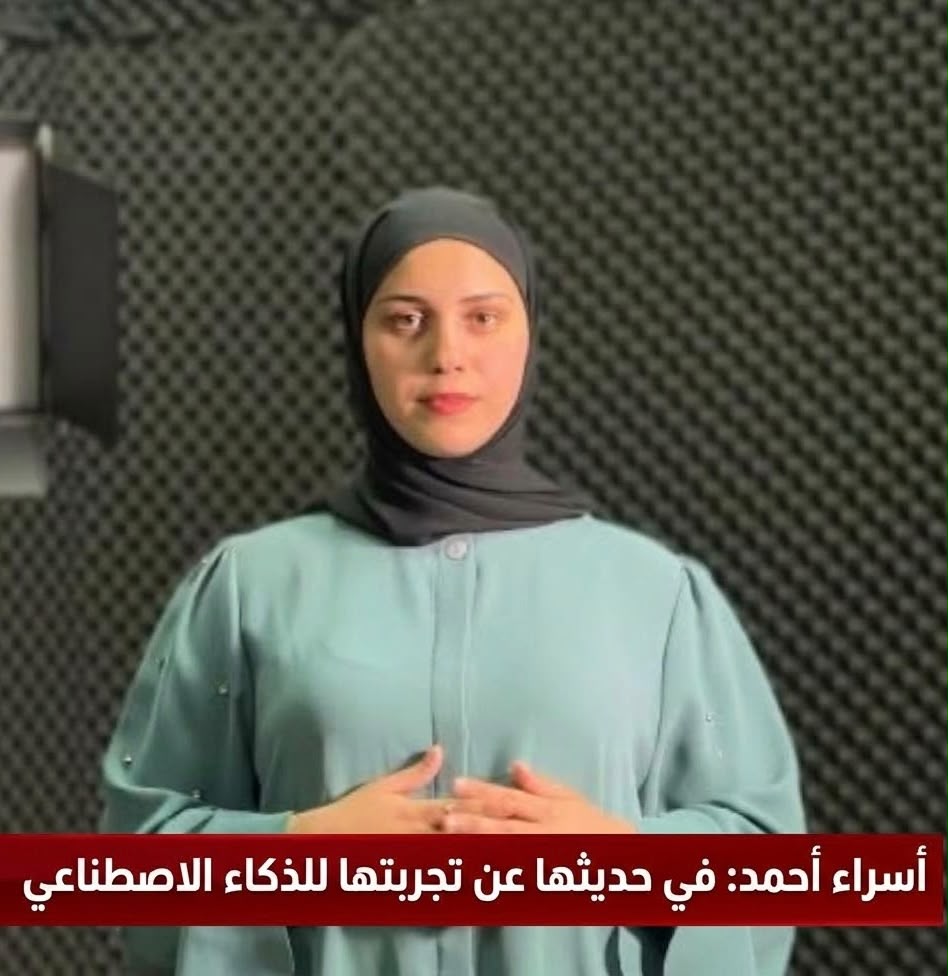
وتوضح تجربتها أن المشكلة لا تتعلق بالمعلومات وحدها؛ فقد تكون النتيجة صحيحة جزئيًا، لكنها لا تناسب الغرض المطلوب، أو تحتاج إلى تعديلات حتى تصبح قابلة للاستخدام.
وينطبق الأمر نفسه على الصحفي. فقد تقترح الأداة عنوانًا مناسبًا أو تساعد في تلخيص وثيقة، لكنها لا تضمن أن العنوان يعكس مضمون التقرير بدقة، أو أن الملخص احتفظ بالتفاصيل الأساسية، أو أن حذف معلومة معينة لن يغير معنى القصة.
وهذا يظهر دور المستخدم نفسه. فالأداة قد تساعد في بدء العمل، لكن الوصول إلى نتيجة جيدة يتطلب فهم المهمة، ومراجعة المخرجات، وتصحيح الأخطاء، والتأكد من أن المنتج النهائي يؤدي الغرض المطلوب.
هل يوفر الذكاء الاصطناعي الوقت فعلا؟
من أبرز الأسباب التي تدفع إلى استخدام الذكاء الاصطناعي قدرته على تسريع بعض المهام. لكن السؤال بالنسبة إلى الصحفي لا يتعلق بسرعة كتابة المسودة فقط، بل بالوقت اللازم لإنتاج مادة دقيقة وصالحة للنشر.
في دراسة نُشرت في مجلة Science عام 2023، اختبر الباحثان شاكيد نوى وويتني تشانغ أثر استخدام ChatGPT في مهام كتابة مهنية، بمشاركة 453 شخصًا من أصحاب التعليم الجامعي. وأظهرت النتائج أن استخدام الأداة خفّض متوسط الوقت اللازم لإنجاز المهام بنحو 40%، ورفع جودة المخرجات بنحو 18% وفق تقييم الدراسة.
لكن التجربة تناولت مهام كتابة مهنية محددة، ولم تكن مخصصة للصحفيين أو للتحقق من الأخبار. لذلك، لا يمكن اعتبار هذه النسب قياسًا مباشرًا لما يمكن أن يوفره الذكاء الاصطناعي في غرفة الأخبار.
المصدر: Noy & Zhang، مجلة Science، 2023.
في الصحافة، تختلف النتيجة بحسب نوع المهمة. فقد تساعد أداة مناسبة في تفريغ تسجيل واضح، لكن تسجيلًا يتضمن أسماء محلية أو لهجة فلسطينية أو أصواتًا متداخلة قد يحتاج إلى مراجعة دقيقة. وقد تلخص الأداة وثيقة طويلة خلال ثوانٍ، لكن الصحفي سيظل بحاجة إلى العودة إلى الوثيقة الأصلية للتحقق من المعلومات التي سيبني عليها تقريره.
لهذا، فإن تقييم الفائدة يتطلب حساب الوقت الإجمالي، بما يشمل المراجعة والتصحيح والتحقق، لا الاكتفاء بالوقت الذي تحتاج إليه الأداة لإنتاج النص.
عندما تصبح الخصوصية جزءا من المشكلة.
إلى جانب دقة المعلومات، يثير استخدام الذكاء الاصطناعي سؤالًا يتعلق بحماية المصادر والوثائق غير المنشورة.
قد يتعامل الصحفي مع مقابلة لم تُنشر بعد، أو وثيقة حساسة، أو معلومات يمكن أن تكشف هوية شخص يواجه خطرًا بسبب تعاونه مع وسائل الإعلام. وإدخال هذه المواد في أداة سحابية دون فهم سياسة الخصوصية وشروط معالجة البيانات قد يعرّضها لمخاطر غير ضرورية.
ويحذر اطميزي من مشاركة المقابلات غير المنشورة والوثائق الحساسة وبيانات المصادر السرية قبل معرفة كيفية تعامل الأداة مع البيانات، وما إذا كانت تحتفظ بالمعلومات أو تستخدمها، وما الضمانات المتاحة لحمايتها.
ولا يعني حذف اسم المصدر بالضرورة أن هويته أصبحت محمية؛ فقد تكشف تفاصيل أخرى، مثل مكان العمل أو توقيت الواقعة أو معلومات شخصية محددة، عن الشخص المقصود.
وتزداد أهمية هذه المسألة في الصحافة الاستقصائية والتغطيات التي تتعامل مع أشخاص معرضين للخطر. فمسؤولية الصحفي لا تقتصر على صحة المعلومات المنشورة، بل تشمل حماية الأشخاص الذين وثقوا به وقدموا المعلومات.
ولهذا، تحتاج المؤسسات الإعلامية إلى قواعد واضحة بشأن الأدوات المسموح باستخدامها، ونوعية البيانات التي يمكن إدخالها فيها، والمهام التي تستلزم مراجعة أو موافقة مسبقة.
هل تستطيع الأدوات كشف التضليل؟
يستخدم الصحفيون بعض الأدوات للمساعدة في فحص الصور والفيديوهات، والبحث عن مصادر للم정보ات، والكشف عن محتوى قد يكون مولدًا أو معدلًا بالذكاء الاصطناعي. لكن هذه الأدوات لا تقدم حكمًا نهائيًا على صحة المادة.
فقد تخفق أداة في اكتشاف صورة معدلة، كما أن عدم اكتشاف التلاعب لا يثبت أن الصورة أصلية. وحتى إذا ثبت أن صورة لم تُنشأ بالذكاء الاصطناعي، فهذا لا يؤكد أن الحدث الظاهر فيها وقع في المكان أو الوقت اللذين يدعيهما ناشرها.
يحتاج التحقق إلى خطوات أخرى، منها البحث عن النسخ السابقة للصورة، وفحص سياق نشرها، ومقارنة المعلومات مع مصادر مستقلة، والتواصل مع الأشخاص أو الجهات المعنية عندما يكون ذلك ممكنًا.
ومن الوسائل التي قد تساعد في هذا المجال معايير C2PA، التي توفر معلومات تقنية عن منشأ المحتوى وسجل تعديلاته عندما تكون بيانات المنشأ متاحة ومحفوظة. لكن هذه البيانات لا تثبت وحدها أن الحدث المصوّر حقيقي أو أن الوصف المرافق له صحيح.
المصدر: C2PA، شرح إثبات منشأ المحتوى.
لذلك، لا يمكن اختزال التحقق الصحفي في نتيجة أداة واحدة، مهما بدت متقدمة. فالأداة قد توفر مؤشرًا يستحق الفحص، لكن الوصول إلى استنتاج موثوق يتطلب جمع الأدلة ومقارنتها.
اللهجة الفلسطنية واللغة العربية والمعقدة امام اختبار الذكاء ماذا يحدث؟
تظهر تحديات أخرى عند استخدام أدوات الذكاء الاصطناعي مع اللغة العربية ولهجاتها المحلية. واللغات الأخرى كالاتنية التي تعد معقدة قد يواجه التفريغ الصوتي صعوبة في التعرف إلى أسماء القرى أو الشخصيات، أو في كتابة تعبيرات باللهجة الفلسطينية، كما قد تفقد الترجمة بعض الدلالات المرتبطة بالسياق.
ويشير اطميزي إلى أهمية مراعاة تفاوت أداء النماذج عند التعامل مع العربية واللهجات المحلية. وقد ظهرت أبحاث مخصصة لتقييم قدرات النماذج باللغة العربية، من بينها ArabicMMLU، وهو معيار يختبر أداء النماذج في مجموعة من المهام باللغة العربية، إلى جانب أبحاث أخرى تختبر فهم اللهجات العربية.
لكن هذه الأبحاث لا تثبت أن جميع الأدوات تخطئ في اللهجة الفلسطينية، ولا تحدد وحدها معدل الخطأ في تفريغ التسجيلات الصحفية الفلسطينية. ولهذا، ينبغي اختبار الأدوات على عينات واقعية من التسجيلات واللهجات المستخدمة في العمل المحلي.
المصادر:ArabicMMLU، أعمال ACL 2024 DialectalArabicMMLU.
قد يؤدي خطأ في تفريغ كلمة واحدة إلى تغيير معنى تصريح، كما قد تجعل كتابة اسم محلي بصورة غير صحيحة عملية البحث عن صاحبه والتحقق من هويته أكثر صعوبة. وفي الترجمة، قد تكون الجملة سليمة لغويًا لكنها لا تنقل المعنى الثقافي أو السياق الذي قصده المتحدث.
لهذا، لا ينبغي اعتماد التفريغ الصوتي أو الترجمة الآلية للمقابلات دون مراجعة التسجيل أو النص الأصلي، خصوصًا عندما يتعلق الأمر باقتباسات مباشرة أو معلومات حساسة.
هل الصحفي ما زالت تقع عليه مسؤولية؟
يمكن للذكاء الاصطناعي أن يساعد في اقتراح العناوين، وتصحيح الأخطاء اللغوية، وتلخيص الوثائق، وتنظيم البيانات، وتفريغ التسجيلات، أو إعداد مسودة أولية للترجمة. لكن فائدة هذه المهام لا تلغي الحاجة إلى مراجعة المخرجات، خصوصا عندما تكون الأخطاء المحتملة مؤثرة في معنى القصة أو مصداقيتها.
فالتحقق من الادعاءات، وتقييم المصادر، ومراجعة الاقتباسات، وحماية هوية المصادر، وفهم السياق، وتحديد ما يستحق النشر، كلها مسؤوليات تحريرية لا ينبغي نقلها إلى الأداة.
وتتقاطع تجارب محمد سراس وإسراء مع ملاحظات شحاته السيد ود. جميل اطميزي عند نقطة أساسية: قد تكون الأدوات مفيدة في إنجاز بعض المهام، لكن فائدتها لا تعني إمكانية الاعتماد عليها دون مراجعة.
ولا يتطلب التعامل المسؤول مع الذكاء الاصطناعي رفضه أو استبعاده من غرفة الأخبار. بل يتطلب تحديد المهام التي يمكن أن يساعد فيها، وتدريب الصحفيين على استخدامه، ووضع قواعد لحماية البيانات، ومراجعة النتائج قبل النشر.
كما ينبغي للمؤسسات الإعلامية اختبار الأدوات على المهام التي تريد استخدامها فيها فعلًا، بدلًا من الاعتماد على وعود الشركات المطورة أو على الانطباع بأن الأداة سريعة، وبالتالي فهي فعالة.
فقد توفر الأداة الوقت في مهمة معينة، لكنها تحتاج إلى مراجعة أطول في مهمة أخرى. وقد تكون مناسبة لتصحيح اللغة، لكنها لا تكون بالضرورة مناسبة للتحقق من ادعاء حساس أو التعامل مع مصدر سري.
مساعد في العمل لا بديل عن الصحفي ومسؤوليته
لا تعطي التجارب الشخصية أو الشهادات أو الدراسات إجابة واحدة تصلح لجميع استخدامات الذكاء الاصطناعي. فالفائدة تتغير بحسب الأداة والمهمة وطبيعة المعلومات ومدى خبرة المستخدم.
لكنها توضح أن إنتاج نص مقنع ليس هو نفسه إنتاج معلومة يمكن إثبات صحتها. فالسرعة لا تعني أن العمل اكتمل، ووجود رابط لا يعني أن المصدر يدعم الادعاء، ونجاح الأداة في مهمة لا يضمن نجاحها في مهمة أخرى.
خلال إعداد هذا التقرير، وجدتُ أن الأدوات يمكن أن تساعد في بعض جوانب إنتاج المحتوى، لكنها تحتاج إلى مراجعة عندما تظهر أخطاء أو نتائج لا تتناسب مع المطلوب. كما أظهرت شهادات المصادر أن الاستفادة من التقنية لا تلغي الحاجة إلى الخبرة البشرية، سواء في تحرير الأخبار أو في الدراسة وإنتاج المحتوى.
بالنسبة إلى الصحفي، لا تنتهي المهمة عند الحصول على إجابة من أداة ذكاء اصطناعي، بل تبدأ بعدها أسئلة أكثر أهمية: من أين جاءت هذه المعلومة؟ هل يدعمها المصدر فعلًا؟ وهل يمكن نشرها دون أن تضلل الجمهور أو تعرّض أحدًا للخطر؟
قد يساعد الذكاء الاصطناعي في الوصول إلى المسودة الأولى أو ترتيب الأفكار أو تقليل الوقت المستغرق في بعض المهام. لكنه لا يعفي الصحفي من مسؤولية التحقق، ولا يحل محل الحكم التحريري الذي يربط المعلومة بمصدرها وسياقها وتأثيرها المحتمل.
في غرفة الأخبار، ليست المسألة اختيارًا بين الإنسان والآلة، بل معرفة ما يمكن أن تفعله التقنية، وأين يجب أن يتدخل الصحفي.
فإذا كانت الأداة قادرة على إنتاج إجابة تبدو مقنعة، لا يكفي ذلك لنشره.
When AI Enters the Newsroom: What Do Journalists Gain and What Do They Lose?
Prepared by: Hanan Rafat Issa Abu Srour
Has artificial intelligence become a tool that helps journalists get their work done, or has it introduced new problems into a profession fundamentally built on verifying information?
Inside newsrooms, opinions on artificial intelligence differ. Some journalists use it to edit news stories and search for sources, while others find themselves having to review its outputs and correct its mistakes. Between those who see it as a way to save time and those who warn against relying on it, one question remains: Can the information it provides be trusted, and when does assistance turn into an additional burden?
While preparing this report, I tested several artificial intelligence tools for tasks related to content production and spoke with journalists, a media student, and an information technology specialist. Their experiences differed, but all of them open the door to a discussion about the limits of these tools, what they can contribute to journalistic work, and what requires human review before publication.
A Convincing Answer Is Not Necessarily a Correct One
Journalist Mohammed Sarasiya, from Bal-Gharaf Agency, uses artificial intelligence tools to edit news stories and gather sources. However, he does not see them as a replacement for journalists. He points out that their outputs may contain hallucinations: incorrect or inaccurate information that sometimes appears in convincing language.
This is one of the problems journalists face when using these tools. They may provide a well-organized answer containing names, dates, and links, but that does not mean everything in it is correct or that the cited sources actually support the information attributed to them.
In journalism, finding a study or report with a relevant title is not enough. Journalists must consult the original source and ensure that its content supports the claim, that the information is up to date, and that it is presented in the correct context. Artificial intelligence can help identify potential sources or suggest research directions, but the responsibility for verification remains with the journalist.
These concerns are not limited to individual experiences. In October 2025, the European Broadcasting Union (EBU), in collaboration with the BBC, published a study examining the reliability of AI assistants’ answers to questions about news and current affairs.
Journalists from 22 public service media organizations in 18 countries participated in the study. They evaluated more than 3,000 answers in 14 languages, including outputs from ChatGPT, Copilot, Gemini, and Perplexity.
The study found that 45% of the answers evaluated contained at least one significant problem. Major problems with source attribution appeared in 31% of the answers, while major accuracy problems were identified in 20%.
These percentages do not mean that the same proportion of all AI-generated answers is incorrect. The findings relate to the study’s sample, questions, and evaluation criteria. However, they indicate that an answer that appears reliable may contain factual errors or problems with how information is attributed to sources.
Source: European Broadcasting Union (EBU) — News Integrity in AI Assistants

Why Do AI Tools Sometimes Make Things Up?
To understand these errors, I spoke with Dr. Jamil Tamizi, an information technology specialist at Palestine Ahliya University. He explained that large language models generate text based on patterns they have learned and the context they receive, but they do not have a mechanism that guarantees the accuracy of every piece of information they produce.
These models work by predicting the sequence of words or text units most suitable for a given context. This allows them to produce useful and accurate answers in many cases, but they may also generate incorrect names, dates, statistics, or references and present them in confident language. This phenomenon is known as an AI hallucination.
The problem may arise when a tool is asked to provide precise details about a specialized subject, recent information, or local events for which sufficient data are not available. In such cases, the tool may produce an apparently complete answer rather than acknowledge that the available information is insufficient.
Tamizi emphasizes the need to distinguish between generating an answer and verifying it. Even when a tool uses a search engine or external sources, the possibility of error remains. The source may be unreliable, its content may be misunderstood, or the tool may attribute information to a source that never mentioned it.
This explanation is consistent with the risks discussed by the US National Institute of Standards and Technology (NIST) in its 2024 report on generative artificial intelligence. The report examines how AI systems can produce false or misleading content that nevertheless appears convincing to users.
Source: NIST — Artificial Intelligence Risk Management Framework: Generative Artificial Intelligence Profile
For his part, Shehata El-Sayed, an Egyptian researcher and journalist and CEO of OSH, an artificial intelligence company, believes that the accuracy of results varies depending on the tool and the task. He notes that more specific instructions and clearer context can help improve answers, but stresses the importance of journalists understanding how these tools work and where their limitations lie.
The clearer the instructions, the greater the chance of obtaining a result suited to the task. However, this does not guarantee accuracy. Even if a tool produces the same answer several times, repetition does not constitute independent evidence of its correctness. That is why journalists must return to original sources and verify information before publication.
What Did My Own Experiments with AI Tools Reveal?
I did not limit myself to reading studies and listening to other people’s experiences. While preparing this report, I tested several artificial intelligence tools for tasks ranging from image and design production to working with text, audio, and information.
In some cases, the tools helped me organize ideas, suggest preliminary content, and produce designs that I could develop further. However, the results were not always suitable. Spelling mistakes appeared in some designs, and I had to review and correct them rather than use them directly.
In my image-generation experiments, I did not always obtain the natural-looking results I expected. I also noticed problems in some audio outputs, including errors in writing or pronouncing words and difficulties handling dialects, as well as the absence of the human feeling I was looking for in the content.
In another experiment, I encountered an answer containing figures associated with 2026, even though the source it relied on had been published in 2025. This does not prove that all the information in the answer was incorrect, but it prompted me to examine the source’s publication date and compare the data before relying on it.
These were limited personal experiments, not a comprehensive scientific test of the tools or a measurement of their error rates. However, they led me to treat their outputs as preliminary material that requires review, rather than as content ready for publication.
The time saved by using a tool to produce a draft may later be spent correcting its mistakes. If journalists fail to notice those errors, they may make their way into published reports and affect their accuracy or credibility.
From Newsrooms to Education and Design
The use of artificial intelligence is not limited to journalists working inside media organizations. Students also rely on these tools to help with their studies and produce visual materials.
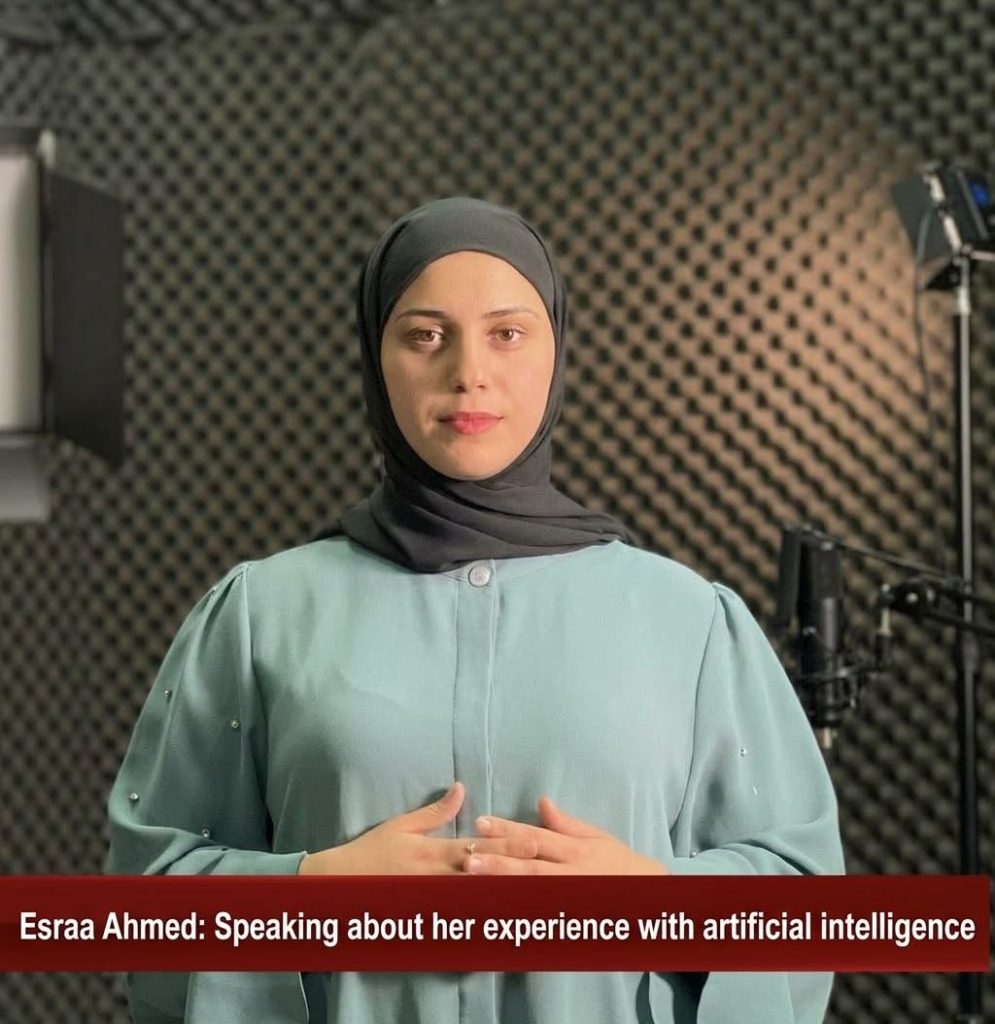
Isra, a media student, uses these tools to assist with her studies and create posters and designs. However, she says the results are not always satisfactory and that the tools can make mistakes. She believes artificial intelligence should remain an aid in preparing research, rather than replace students’ own effort and understanding.
Her experience shows that the problem is not limited to factual accuracy. A result may be partly correct but unsuitable for the intended purpose, or it may require modifications before it can be used.
The same applies to journalists. A tool may suggest a suitable headline or help summarize a document, but it cannot guarantee that the headline accurately reflects the report’s content, that the summary preserves essential details, or that removing a particular piece of information will not change the story’s meaning.
This is where the user themselves becomes important. A tool may help get the work started, but producing a good result requires understanding the task, reviewing the output, correcting errors, and ensuring that the final product serves its intended purpose.
Does Artificial Intelligence Really Save Time?
One of the main reasons people turn to artificial intelligence is its ability to speed up certain tasks. For journalists, however, the question is not simply how quickly a draft can be written, but how long it takes to produce material that is accurate and ready for publication.
In a study published in the journal Science in 2023, researchers Shakked Noy and Whitney Zhang examined the effects of ChatGPT on professional writing tasks involving 453 participants with college-level education. The results showed that using the tool reduced the average time required to complete the tasks by approximately 40% and increased the quality of the outputs by around 18%, according to the study’s evaluation.
However, the experiment focused on specific professional writing tasks. It was not designed specifically for journalists or for news verification. Therefore, these percentages cannot be treated as a direct measure of how much time artificial intelligence can save in a newsroom.
In journalism, the outcome varies according to the task. A suitable tool may help transcribe a clear recording, but a recording containing local names, Palestinian dialect, or overlapping voices may require careful review. A tool may summarize a lengthy document within seconds, but journalists will still need to return to the original document to verify the information on which their reports will be based.
For this reason, evaluating the benefits requires calculating the total time spent, including review, correction, and verification, rather than looking only at how long the tool takes to produce the text.
When Privacy Becomes Part of the Problem
Alongside factual accuracy, the use of artificial intelligence raises questions about protecting sources and unpublished documents.
Journalists may work with an interview that has not yet been published, a sensitive document, or information that could reveal the identity of someone at risk because of their cooperation with the media. Entering such material into a cloud-based tool without understanding its privacy policy and data-processing terms may expose it to unnecessary risks.
Tamizi warns against sharing unpublished interviews, sensitive documents, and confidential source information before understanding how the tool handles data, whether it retains or uses the information, and what safeguards are available to protect it.
Removing a source’s name does not necessarily protect their identity. Other details, such as their workplace, the timing of an incident, or specific personal information, may still reveal who they are.
This issue becomes particularly important in investigative journalism and reporting involving people at risk. A journalist’s responsibility extends beyond ensuring the accuracy of published information; it also includes protecting those who have trusted them and provided information.
For this reason, media organizations need clear rules governing which tools may be used, what types of data can be entered into them, and which tasks require prior review or approval.
Can AI Tools Detect Misinformation?
Journalists use certain tools to help examine images and videos, search for information sources, and identify content that may have been generated or manipulated using artificial intelligence. However, these tools do not provide a final verdict on whether a piece of content is authentic.
A tool may fail to detect a manipulated image, but failure to detect manipulation does not prove that the image is original. Even if it is established that an image was not generated by artificial intelligence, that does not confirm that the event shown actually occurred at the place or time claimed by the person who published it.
Verification requires additional steps, including searching for earlier versions of the image, examining the context in which it was published, comparing information with independent sources, and contacting the people or organizations concerned whenever possible.
One approach that may help is the C2PA standard, which provides technical information about the provenance of content and its editing history when provenance data are available and preserved. However, this information alone does not prove that the depicted event is real or that the accompanying description is accurate.
Source: C2PA — Explainer on Content Provenance
For this reason, journalistic verification cannot be reduced to the result of a single tool, however advanced it may appear. A tool may provide an indication worth investigating, but reaching a reliable conclusion requires gathering and comparing evidence.
Palestinian Dialect, Arabic, and the Challenges of Complex Languages
Other challenges emerge when artificial intelligence tools are used with Arabic and its local dialects. In Arabic and other languages with complex linguistic structures, speech transcription tools may struggle to recognize village names and personal names or accurately transcribe expressions in Palestinian dialect. Translation may also lose meanings associated with context.
Tamizi points to the importance of recognizing differences in model performance when handling Arabic and local dialects. Researchers have developed specific benchmarks to assess language models’ capabilities in Arabic, including ArabicMMLU, which evaluates models across a range of Arabic-language tasks, alongside other research examining their understanding of Arabic dialects.
However, these studies do not establish that all tools make mistakes when processing Palestinian dialect, nor do they independently determine the error rate in transcribing Palestinian journalistic recordings. This is why tools should be tested on realistic samples of the recordings and dialects used in local reporting.
Sources: ArabicMMLU — Association for Computational Linguistics (ACL), 2024; DialectalArabicMMLU
An error in transcribing a single word may change the meaning of a statement. An incorrectly written local name may also make it more difficult to find the person concerned and verify their identity. In translation, a sentence may be linguistically correct yet fail to convey the cultural meaning or context intended by the speaker.
For this reason, automated transcription and machine translation of interviews should not be used without reviewing the original recording or text, particularly when direct quotations or sensitive information are involved.
Does the Journalist Still Bear Responsibility?
Artificial intelligence can help suggest headlines, correct language errors, summarize documents, organize data, transcribe recordings, and prepare an initial translation draft. However, the usefulness of these tasks does not eliminate the need to review their outputs, especially when potential errors could affect the meaning of a story or its credibility.
Verifying claims, evaluating sources, reviewing quotations, protecting source identities, understanding context, and deciding what deserves publication are all editorial responsibilities that should not be transferred to a tool.
The experiences of Mohammed Sarasiya and Isra, together with the observations of Shehata El-Sayed and Dr. Jamil Tamizi, point to a central issue: these tools may be useful in completing certain tasks, but their usefulness does not mean they can be relied upon without review.
Responsible use of artificial intelligence does not require rejecting it or excluding it from the newsroom. Instead, it requires identifying the tasks it can assist with, training journalists to use it, establishing data-protection rules, and reviewing results before publication.
Media organizations should also test tools on the specific tasks for which they intend to use them, rather than relying on the promises of developers or assuming that an AI tool is effective simply because it is fast.
A tool may save time on one task but require more extensive review on another. It may be suitable for language correction without necessarily being appropriate for verifying a sensitive claim or handling a confidential source.
A Tool for the Job, Not a Replacement for the Journalist or Their Responsibility
Personal experiences, individual testimonies, and research studies do not provide one answer that applies to every use of artificial intelligence. Its usefulness varies according to the tool, the task, the nature of the information, and the user’s level of expertise.
However, they show that producing convincing text is not the same as producing information whose accuracy can be established. Speed does not mean the work is complete, the presence of a link does not mean the source supports the claim, and success on one task does not guarantee success on another.
While preparing this report, I found that these tools can help with certain aspects of content production, but their outputs require review when errors appear or results do not meet the intended purpose. The accounts shared by my sources also showed that benefiting from technology does not eliminate the need for human expertise, whether in editing news stories, studying, or producing content.
For journalists, the task does not end when an artificial intelligence tool provides an answer. Instead, more important questions begin: Where did this information come from? Does the source actually support it? And can it be published without misleading the public or putting anyone at risk?
Artificial intelligence may help produce an initial draft, organize ideas, or reduce the time spent on certain tasks. But it does not relieve journalists of their responsibility to verify information, nor can it replace editorial judgment that connects information to its source, context, and potential impact.
Inside the newsroom, the issue is not about choosing between humans and machines. It is about understanding what the technology can do and where the journalist must step in.
If a tool can produce an answer that sounds convincing, that alone is not enough to justify publishing it.